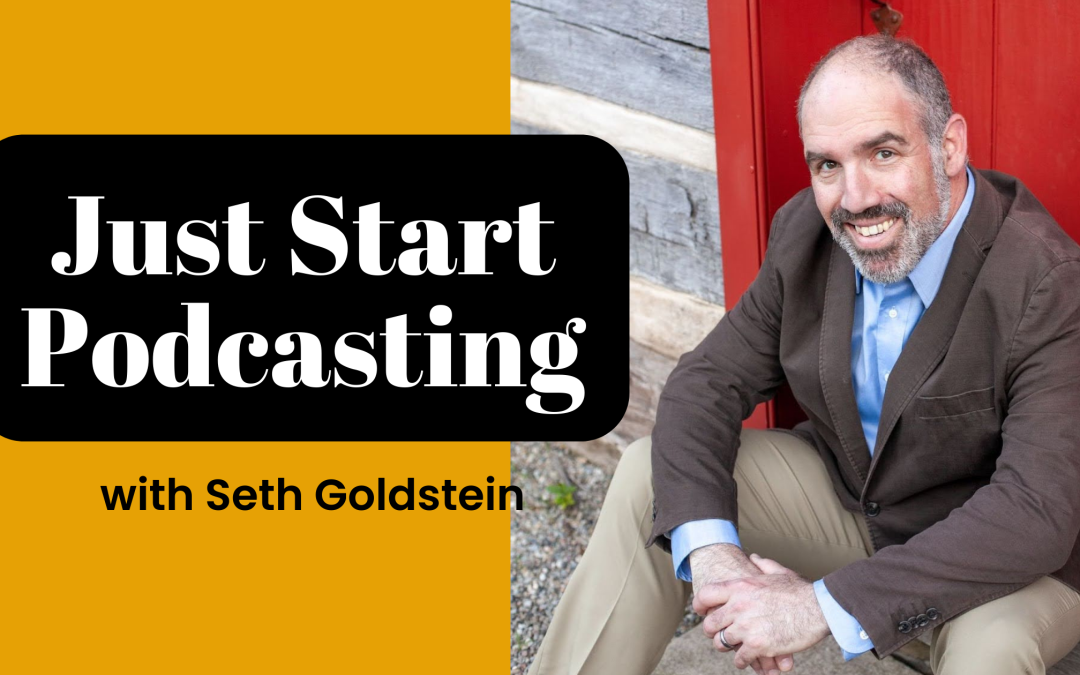
If you’ve ever thought about starting a podcast but felt overwhelmed by the tech, the strategy, or even just the idea of sitting down to record, you’re not alone. So many aspiring podcasters hold back because they assume they need the perfect microphone, a professional studio, or a crystal-clear strategy before they can begin. But as podcast coach Seth Goldstein reminds us—perfection isn’t the goal. Getting started is.
I recently had the chance to chat with Seth on the Soul Podcasting Podcast, and the conversation was full of practical advice, encouraging truths, and a few good laughs about the messy beginnings of podcasting. If you’re a podcaster—or just curious about what it takes to start—this one’s for you.
Who is Seth Goldstein?
Seth Goldstein is many things: an entrepreneur, founder, podcaster, tech enthusiast, father, husband, and self-proclaimed social media junkie. He’s been podcasting since 2010, back when uploading audio files to the internet was far from user-friendly. On top of that, he’s been running his digital marketing agency, Goldstein Media, for over 15 years.
Through his podcast consultancy, Podcast Mastery, Seth helps business owners and individuals step into the podcasting world with confidence. His background in journalism and digital marketing makes him uniquely equipped to guide others—not just on the technical side of things, but also in storytelling, branding, and building lasting audience connections.
When Seth isn’t working (or, let’s be real, sometimes while he is), he’s spending time with his wife, his son, and their Airedoodle pup.
The Journalist Who Found Podcasting
Seth didn’t set out to become a podcast coach. After college, he spent six years as a newspaper journalist before hitting major burnout. “I was done,” he says, reflecting on that season of his career. In 2008, he started Goldstein Media during what he jokingly calls “the best time to start a business” (right at the height of the financial crisis). But out of necessity, he built skills in digital marketing that would sustain him for nearly two decades.
Alongside his agency work, Seth started listening to podcasts in the mid-2000s. By 2010, the technology had improved enough for him to jump in and create his own shows. Since then, he’s hosted multiple podcasts, including Digital Marketing Dive and Entrepreneurs Enigma—both business-focused shows that highlight his expertise and curiosity.
Podcasting as a Brand Builder
One of the most powerful takeaways from my conversation with Seth is his perspective on the role of a podcast in business. “You don’t necessarily make money on your podcast,” he explains. “You make money around your podcast.”
This shift in perspective is crucial for new podcasters. Instead of obsessing over ad revenue or sponsorships right out of the gate, Seth encourages podcasters to see their shows as brand-building tools. A podcast can open doors for consulting, speaking gigs, services, and products. It’s about authority, trust, and connection.
Even if your show has only 30 listeners, Seth argues, those 30 people are engaging with you in a deep way—listening to your voice for 20, 30, or 40 minutes at a time. That’s brand loyalty you can’t get from a single Instagram post.
The First Episode Will Be Terrible (And That’s Okay)
Seth’s first piece of advice for new podcasters? Just start. Don’t wait until your audio is perfect. Don’t wait until you’ve mapped out 100 episodes. Don’t even wait until you’ve figured out exactly what you want your show to be. “Your first episode will be total crap,” he says bluntly, “but you have to post it.”
Why? Because until you publish that first messy, imperfect episode, you don’t have a podcast. Once it’s out there, you can improve. And you will improve—because podcasting is a skill that grows over time.
He also emphasizes using whatever tools you have. Whether you’re recording on Zoom, Riverside, or even your phone, the point is to begin. Production value can increase as you go.
Pivoting, Pausing, and Avoiding Burnout
Podcasting, like any creative endeavor, comes with its own set of challenges. One of the biggest? Burnout. Seth has experienced it firsthand, both as a journalist and as a podcaster. That’s why he encourages podcasters not to fear taking breaks. Shows can have seasons. You can step back, regroup, and return without losing your audience.
Another key strategy: batch recording. Instead of scrambling to record, edit, and publish week by week, try banking three or four episodes in advance. That buffer can save you from the weekly grind and keep you consistent without the constant stress.
And perhaps most importantly: don’t be afraid to pivot. If your format isn’t working, change it. If you’re tired of solo episodes, bring on guests. If interviews feel stale, experiment with panel discussions. Podcasting is flexible—it should work for you, not the other way around.
Storytelling at the Heart of Podcasting
With a journalism background, Seth naturally gravitates toward storytelling. He believes the heart of any good podcast is the story. Whether you’re interviewing guests, chatting with a co-host, or going solo, the key is to help listeners connect through narrative.
That’s why, when coaching, Seth tailors his advice based on a podcaster’s format. Interview shows need a different approach than solo pontification shows. The level of prep, structure, and spontaneity shifts depending on the host’s style. His goal isn’t to force every podcaster into the same mold, but to help them tell their story in the most effective way.
The Community: Podcast Mastery
Beyond one-on-one coaching, Seth is building a community through Podcast Mastery. It’s a space where podcasters can learn, share ideas, troubleshoot, and support one another. For him, the community model creates a “hive mind” effect—where not every question needs to be answered by him personally, because peers can step in to help too.
This sense of collaboration is essential. Podcasting can be a lonely endeavor, especially in the early stages. Having a supportive network keeps podcasters motivated and connected.
It’s Not Too Late to Start
One of the recurring themes in our conversation was timing. Many would-be podcasters worry they’re too late to the game. With millions of podcasts already out there, does the world really need another one?
Seth’s answer: Absolutely. “Just because you’re late to the party doesn’t mean you can’t show up fashionably late,” he says. What matters most isn’t being first—it’s having a message that resonates. If you have something valuable to share, there’s an audience for it.
Podcasting isn’t oversaturated; it’s diversified. The opportunities are still wide open, and there’s room for more voices, more perspectives, and more stories.
Words of Encouragement for Podcasters
To sum up, Seth’s advice is clear and refreshing:
Don’t overthink—just start.
Remember your first episode won’t be perfect (and that’s fine).
Build your brand around your podcast rather than expecting it to fund your business overnight.
Batch episodes to avoid burnout.
Don’t be afraid to pause, pivot, or experiment with new formats.
Above all: enjoy the process.
Podcasting is, as Seth says, a “beautiful mess.” And that’s what makes it powerful.
Connect with Seth Goldstein
If Seth’s story and advice resonated with you, here’s where you can dive deeper into his world:
Podcasting doesn’t have to be complicated. As Seth reminds us, you don’t need to wait for the perfect setup or strategy. Grab a mic, hit record, and start sharing your story. Because the world doesn’t just need a podcast. It needs your podcast.
Launching a podcast is an exciting accomplishment. You’ve invested time in planning your content, refining your voice, and producing episodes that you hope will resonate with your audience. But after publishing, many podcasters experience the same frustrating reality: silence.
Episodes are released, yet the downloads remain low. Engagement is inconsistent. Growth feels stagnant.
This isn’t because your content lacks value. More often than not, the missing piece is visibility.
A podcast cannot thrive on production alone. It requires a strategic system — what I call a podcast visibility engine — that ensures your episodes work for you long after the publish button is pressed. With the right approach, your podcast becomes more than just a collection of audio files; it becomes the foundation of a powerful, multi-channel ecosystem that builds authority, strengthens connections, and drives sustainable growth.
In this article, we’ll explore how to design a podcast visibility engine that amplifies your message and extends the life cycle of every episode.
Visibility Begins With Purpose
Many podcasters assume visibility starts with promotion — but the truth is, visibility begins with purpose. Before you think about repurposing, scheduling posts, or designing graphics, you must be clear about why your show exists and what transformation it offers.
Ask yourself:
What message am I leading with?
What do I want my audience to take away from this episode?
How does this connect to the broader mission of my brand?
When you define the purpose of your podcast and each episode within it, you can approach visibility with clarity. Visibility is not about “getting seen everywhere.” It’s about ensuring your content is consistently reinforcing the transformation you want your audience to experience.
Make Your Podcast the Core of a Multi-Channel System
Think of your podcast as the hub of your visibility engine. Each episode is a central piece of content that can fuel an entire ecosystem of distribution. Instead of publishing once and hoping listeners arrive, you design intentional pathways that bring the content to them.
From a single episode, you can create:
Short-form video: Reels, TikToks, or YouTube Shorts featuring highlights, insights, or behind-the-scenes clips.
Written content: Blog posts, newsletters, or LinkedIn articles that expand on key points.
Visual content: Carousels, quote graphics, or audiograms tailored for Instagram or Facebook.
Thought leadership: Short posts or commentary for LinkedIn that establish your expertise.
This approach ensures that your content is not confined to one platform. Instead, it becomes adaptable, engaging your audience wherever they naturally consume information.
Leveraging Guest Collaborations for Amplified Reach
If your podcast features guest interviews, you already have a built-in visibility advantage. Every guest brings with them a network, community, and audience that can be introduced to your work.
However, this benefit only materializes if you make sharing easy and appealing. Provide your guests with:
Branded graphics designed for their preferred platforms
Pre-written captions they can adapt and personalize
Short clips or audiograms they can post directly
Beyond the episode itself, consider extending collaborations: host an Instagram Live together, create a joint LinkedIn post, or even develop a shared lead magnet. Each collaboration strengthens the relationship while simultaneously expanding your reach.
Visibility grows exponentially when you transform guest appearances into strategic partnerships.
Creating a Rhythm of Podcast Visibility
One of the most common mistakes podcasters make is treating promotion as a one-off activity. An episode is released, a single post is shared, and then the content is quickly forgotten.
A visibility engine thrives on rhythm. By creating a repeatable schedule of distribution, you extend the life of your content and reinforce your authority.
Here’s an example weekly rhythm:
Monday: Release day announcement + teaser reel
Tuesday: Carousel post highlighting a key concept
Wednesday: Audiogram or story Q&A inviting engagement
Thursday: Newsletter recap + LinkedIn thought piece
Friday: Behind-the-scenes post or “lesson of the week”
Notice how this rhythm creates multiple touchpoints without requiring new content each day. It’s about consistency, not volume. Over time, this steady cadence conditions your audience to expect — and look forward to — your insights.
Extending Visibility Beyond Social Media
While social platforms play a critical role, they are not the only tools available. For sustainable, long-term visibility, you must also prioritize searchable and community-driven spaces.
Searchable content: Platforms like YouTube, Pinterest, and your own blog can extend the life of your episodes for years. A well-optimized post can continue driving new listeners long after the episode is released.
Community engagement: Hosting a live Q&A, creating a discussion thread in a Facebook or LinkedIn group, or inviting your audience into a membership or mastermind deepens connection beyond passive listening.
Social media offers immediacy. Search engines and communities offer longevity. Together, they create a balanced, sustainable visibility system.
Case in Point: Podcast Visibility in Action
One of the members of the Soul Podcasting Collective once came to a session ready to give up. She felt like no one was listening. Her episodes were well-produced but hardly gaining traction.
When we reviewed her visibility strategy, the problem was clear: she was only posting once after release day, then moving on to the next episode. There was no repurposing, no rhythm, no multi-channel presence.
We restructured her visibility flow: reels on Instagram, recaps in her newsletter, thoughtful posts on LinkedIn, and searchable blog content. Within weeks, her engagement doubled. More importantly, she felt confident that her voice was finally reaching the people it was meant to serve.
This is the difference between hoping for visibility and intentionally designing it.
Building Your Own Visibility Engine
If you’re ready to create a visibility engine for your podcast, here are the key steps to get started:
Clarify your purpose: Define the transformation your podcast offers.
Design your hub-and-spoke system: Decide how each episode will be repurposed across video, written, and visual formats.
Develop guest collaboration assets: Create a streamlined system for guest sharing.
Establish a visibility rhythm: Commit to a weekly or bi-weekly flow of content.
Expand into searchable + community-driven platforms: Don’t rely solely on social media.
When implemented consistently, these steps ensure your podcast is not simply published, but positioned.
Final Thoughts
Podcast visibility doesn’t happen by accident. It happens by design.
A podcast visibility engine allows your voice to reach beyond the initial release, engaging your audience across platforms, fostering deeper connections, and positioning you as a trusted leader in your space.
By aligning your purpose with a multi-channel system, leveraging collaborations, creating consistent rhythms, and investing in long-term platforms, you transform your podcast into a central driver of authority and growth.
Your voice deserves to be heard — not just once, but consistently, sustainably, and strategically. Build your visibility engine, and let your podcast do the work it was meant to do.
Also be sure to check out my interview with Dave Campbell on his podcast here.
Our interview on Soul Podcasting was episode 50 which you can listen to here.
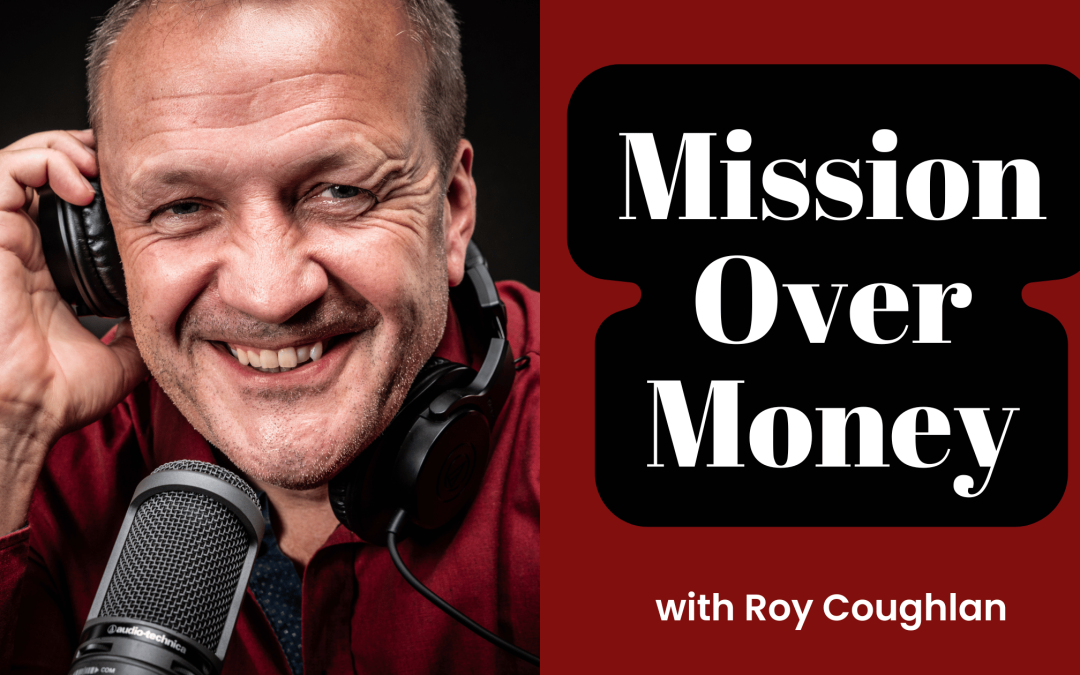
Roy is a seasoned serial entrepreneur with an impressive track record of founding 20 companies across five countries. As a podcast coach and host, Roy has successfully launched and driven six podcasts to the top echelons of the industry, with all consistently ranking in the Top 5% and four reaching the prestigious Top 0.5%. In addition to his podcasting prowess, Roy is the co-founder of braingym.fitness, a platform dedicated to enhancing cognitive abilities and empowering individuals to optimize their mental performance. He is also a co-founder of VA.World, where he specializes in connecting clients with the perfect Virtual Assistants to meet their diverse needs. Roy’s entrepreneurial spirit and innovative approach continue to inspire and impact audiences worldwide, making him a leading figure in both the podcasting and business communities.
In the world of entrepreneurship, few stories are as compelling as those that begin with childhood ambition, weather devastating setbacks, and ultimately transform adversity into unprecedented success. Roy Caughlan’s journey embodies this narrative perfectly—a serial entrepreneur who started his first business at age 9, built companies across five countries, lost everything in real estate, and then channeled that failure into creating a podcasting empire that now ranks in the top 1.5% globally.
Some people are simply wired for entrepreneurship—and Roy Coughlan is one of them. At just nine years old, while most kids were still riding bikes and trading baseball cards, Roy was already launching his first company. That spark of curiosity and drive set the tone for a lifetime of building. And not just one or two ventures—over 20 companies spanning five different countries. That’s not just hustle; that’s a mindset.
The Fall That Changed Everything
Roy’s story isn’t the typical “straight to the top” narrative. Like any seasoned entrepreneur, he’s had wins, but also some devastating losses. A major real estate setback cost him dearly, and for many people, that would have been the end of the road. But for Roy, it was a pivot point.
Instead of letting failure define him, he leaned into resilience. What came next wasn’t real estate or another international business—but something unexpected: podcasting.
Facing Fear Head-On
Here’s the twist: despite all his business experience, Roy was terrified of public speaking. Imagine starting six podcasts when even one microphone felt intimidating! But here’s where his entrepreneurial grit kicked in. Roy joined Toastmasters, put in the work, and turned fear into fuel.
That willingness to face down discomfort became the foundation for his next big chapter. And it wasn’t just about becoming a better speaker—it was about becoming a better storyteller, creator, and leader.
The Birth of Six Podcasts
Roy didn’t dip his toes into podcasting—he dove all the way in. Today, he hosts six distinct shows, each with a different flavor and focus. This wasn’t luck. It was the same intentional, strategic mindset he used to build global companies—now applied to content creation.
And the numbers? They don’t lie. His shows rank in the top 1.5% globally, with over 1,500 episodes personally edited by Roy himself. While most podcasters hand off production, Roy stays hands-on. Why? Because quality matters to him. Every detail counts.
The Roy Caughlan Method: Quality First
Roy’s philosophy is simple but powerful: quality beats quantity, every time. From crisp audio and polished editing to deep preparation and research, he treats every episode like a professional production. That business background of his—the one that taught him that sloppy work costs you big—shows up in the way he crafts content that audiences trust.
But Roy doesn’t stop at the mic. He’s data-driven, diving into analytics and audience feedback to shape his shows. He understands something too many podcasters miss: creating is only half the job. Marketing and strategy are the other half.
Mission Over Money
Here’s where Roy stands out most. While plenty of podcasters chase quick monetization, Roy takes a different path: mission before money. His work on The Awakening, for example, tackles fraud and corruption—topics that don’t always attract easy sponsorships. But that doesn’t stop him. He’s committed to truth-telling and impact, even when it costs him financially.
That kind of conviction? It resonates with listeners. Purpose-driven content is what keeps audiences loyal—and keeps creators going when things get tough.
The Long Game
One of Roy’s biggest pieces of advice for new podcasters: commit to at least a year. Don’t expect overnight success. Podcasting, like entrepreneurship, takes consistency, patience, and a willingness to play the long game.
It’s the same principle he used to build over 20 companies—steady commitment, even through setbacks. And now, he brings that mindset into podcasting, showing that sustainable success isn’t about shortcuts, but about showing up, again and again.
Preparation matters. Treat your podcast like a business, not a hobby.
Data is your friend. Use analytics to grow smarter, not just louder.
Market your work. Even the best show needs strategic promotion.
Mission drives longevity. Purpose will carry you further than profit alone.
Why His Story Matters
Roy’s journey is more than a comeback story. It’s proof that failure isn’t final, and that reinvention is always possible. From a childhood entrepreneur to a real estate crash, to ranking among the top podcasters in the world—his path reminds us that resilience plus mission equals lasting impact.
And maybe that’s the real lesson here: when you lead with purpose, everything else falls into place.
Reach out to Roy:
Reach Roy, listen to his podcasts, and see all that he has to offer to the podcasting world at https://roycoughlan.com/.
Let’s start with some tough love: if your podcast sounds like it could belong to anyone, it’s probably not helping you grow.
It’s not building your authority. It’s not making people hit subscribe. And it’s definitely not positioning you as a thought leader in your industry.
Here’s the truth: most podcasts fail not because the host isn’t talented, but because the show ends up sounding generic. Safe. Forgettable.
If your episodes feel like they’re blending into the background noise of a million other podcasts, this is your wake-up call. Let’s talk about why boring podcasts fail — and more importantly, how to make sure yours doesn’t.
The Identity Gap in Most Podcasts
This isn’t about talent. In fact, I’ve seen brilliant coaches, consultants, and creatives fall into this trap. They have strong points of view, years of experience, and proven frameworks that truly help people. But when it comes to their podcast? That depth never makes it to the mic.
The result: a podcast that doesn’t sound like them. It sounds… safe. It sounds professional, sure — but it could be anyone’s show.
And that’s a problem.
Because if you want your podcast to grow your brand authority, it can’t just be a podcast. It has to sound like your podcast.
Ask yourself:
Does my show reflect my unique perspective?
Does it carry the same weight as my brand?
Am I leading listeners toward transformation — or just giving them more information?
If you’re questioning the answers, you’re not alone. Most podcasters were taught how to buy a mic and hit record — but not how to infuse identity, strategy, and authority into their content. That’s where the gap is.
What Makes a Podcast Generic?
Let’s break it down. A “generic” podcast isn’t necessarily bad. It’s usually well-edited and technically clean. But it lacks the very thing that makes listeners hit “subscribe”: identity.
Here are three red flags that your podcast might sound generic:
1. It Doesn’t Sound Like You
You’ve defaulted to what everyone else is doing. Same intro. Same structure. Same surface-level content.
You share “useful tips” but leave out your personal stance, lived experience, or philosophy. Without those elements, your voice gets lost.
Example: You say, “Let’s talk about morning routines…” Great. But how is your take different? How does your lived experience shape your perspective? Why should anyone listen to you talk about mornings?
If your unique lens is missing, your show could belong to anyone.
2. There’s No Transformation Path
Generic podcasts are often filled with helpful advice, but it’s scattered. There’s no clear through-line that carries listeners from problem to solution, or from where they are now to where they want to be.
If your content doesn’t reflect a transformation — a shift in perspective, a new way of thinking, or a concrete step toward change — it’s just information. And information without transformation doesn’t build authority.
3. You’re Playing It Safe
Let’s be honest: a lot of podcasters avoid taking real risks. They want to sound professional, polished, and neutral. They stick to the script.
But here’s the problem — safety rarely builds connection. When you avoid strong stances or bold perspectives, your content becomes forgettable.
The irony? You’re not here to be neutral. You’re here to lead.
Why This Matters for Your Brand
Most podcasters are focused on keeping up — getting episodes out on time, staying consistent, following the “rules.” But the real opportunity isn’t in checking the boxes. It’s in building a show that feels alive, memorable, and deeply tied to your identity.
You’re not just here to drop tips. You’re here to shift beliefs. You’re here to lead people from one way of thinking to another. That’s the difference between a podcast that fills space and one that builds legacy.
How to Fix a Generic Podcast
The good news? If your show feels generic, you can absolutely change that. Here’s how to turn your podcast from forgettable to magnetic.
1. Infuse Your Point of View Into Every Episode
Your podcast isn’t a Wikipedia page. It’s a platform.
Start asking yourself:
What’s my real stance on this topic?
What do I disagree with that most people in my space say?
What moment in my own life shaped my perspective here?
If I can’t hear your philosophy in an episode, I won’t remember it. Period.
2. Rebuild Your Format Around Transformation
Instead of starting with “What tips should I share?” begin with:
What belief shift do I want my listener to have by the end of this episode?
From there, design your structure like this:
Hook with a strong statement or story.
Walk them through the old way of thinking.
Offer the new paradigm (your framework, your story, your method).
Close with a practical takeaway or action.
When you design around transformation, your episodes stop being “more content” and start becoming micro-movements.
3. Stop Copying Big Podcasters
Here’s the truth: most celebrity podcasts succeed because of the name, not the structure. You don’t need to copy them.
Instead, build a format that reflects your natural genius:
Are you a storyteller? Lean into narrative-driven episodes.
Are you a coach? Bring in live coaching snippets.
Are you a teacher? Create lessons that stand alone but connect as a series.
When your format aligns with your strengths, your show becomes sustainable and authentic.
4. Get Outside Feedback
You can’t always see your own blind spots — especially when you’re writing, recording, editing, and publishing your own show.
That’s where feedback comes in. Not just from friends or family, but from someone who understands branding, messaging, and podcast strategy.
A thought partner can help you refine raw ideas into polished content that both reflects your brand and positions you as a leader. (This is a big part of the work I do with clients — and it’s at the heart of my upcoming Authority & Brand Growth coaching program.)
Don’t Let Your Mic Go to Waste
Your mic is just a tool. Your voice is the asset.
When you dilute your voice to sound like everyone else, you’re not just making a boring podcast. You’re delaying the transformation your audience needs. You’re postponing your own authority.
So here’s a quick action plan for the week:
Revisit your last three episodes. Do they sound like you — or could they belong to anyone?
Write down your unique POV for your top three topics.
Script your next episode with this question in mind: What shift am I helping my listener make?
These simple steps can dramatically change the way your audience experiences your podcast.
Final Thoughts
A boring podcast doesn’t fail because it’s unprofessional or poorly produced. It fails because it lacks identity, transformation, and boldness.
But when you bring your point of view, build around transformation, stop copying others, and invite feedback, your podcast stops being “just another show” and starts becoming a platform for authority and influence.
Your audience doesn’t need another safe, generic voice. They need your perspective. Your philosophy. Your way of leading them from confusion to clarity.
So the next time you sit down to record, remember: don’t play it safe. Don’t blend in. Don’t let your mic go to waste.
Make your podcast unforgettable.
Ready to lighten the load and podcast with more soul?
Dr. Julie Marty-Pearson is a dynamic podcaster, speaker, and coach who helps women share their stories through podcasting. She hosts two shows: “The Story of My Pet,” which advocates for animal rescue and adoption, and “Podcast Your Story,” focused on women’s storytelling and community building. Julie also created the Women’s Podcaster Party Network, a supportive community where women podcasters, guests, and speakers connect and grow together..
I just had the most incredible conversation with Dr. Julie Marty Pearson, and I’m still processing everything she shared! This woman literally rewrote her entire life story during COVID, and honestly, her journey is going to inspire the heck out of you if you’ve been sitting on a podcast idea or thinking you’re not “ready” to share your voice with the world.
Julie spent 20 years – TWENTY YEARS – building a career in higher education. She was teaching psychology and statistics at colleges across California, doing research, handling accreditation work, the whole academic nine yards. But here’s the kicker: to move up in that world, she had to keep switching schools, which meant brutal commutes. We’re talking 2 to 5 hours from home, sometimes living away from her family during the week and only coming home on weekends. Can you even imagine?
And get this – her body started sending her signals that something had to change. You know that feeling when your soul is just screaming “this isn’t it anymore”? That was Julie in the years before COVID hit. But like so many of us, she’d worked her whole life for that career. How do you just walk away from two decades of building something?
When Life Forces a Pivot
Then 2020 happened, and everything changed for everyone. Julie had just had surgery about six months before the pandemic hit, so she was already off work. Schools shut down, job applications were impossible, and suddenly she found herself in this weird space of “well, maybe this is the universe telling me something.”
Here’s what I absolutely love about Julie’s story – she didn’t just sit there feeling sorry for herself. She had a doctorate in organizational psychology, and part of that program had taught her how to be a coach. She’d always wanted to try coaching, so she thought, “You know what? Let’s see what happens.”
She started with career coaching because it made sense – she could easily help people with that. But here’s the thing that really resonates with me: she wasn’t passionate about it at all. Like, can you imagine getting up every morning thinking “oh boy, let’s talk about resumes today!” Yeah, that was Julie, and it showed in her business. She couldn’t get any momentum because her heart just wasn’t in it.
The Podcasting Lightbulb Moment
While she was building her coaching business and taking all these classes (because that’s what we do when we’re figuring things out, right?), she took a podcasting class. And something just clicked. She loved the idea of it, but she had no clue if she’d actually enjoy doing it.
So she asked herself the most brilliant question: “What’s something I can talk about without any notes?” And the answer was pets. Animals. She’s been an animal lover her entire life, grew up with dogs, and just deeply connects with all creatures. Plus, her own pets had helped her through health issues, mental health challenges, all the regular life stuff we all go through.
Here’s where it gets really good – she didn’t overthink it. She got on Zoom with some friends, they talked about pets, she put out episodes that weren’t even edited, and people started listening. People started asking to be on the show. And three and a half years later? “The Story of My Pet” is a top 5% podcast!
The Magic of Starting Messy
Now, Julie describes herself as a Virgo with two master’s degrees and a doctorate – so starting messy was NOT in her DNA. She’s a good student, someone who likes to do things the “right way.” But podcasting pushed her completely out of that comfort zone, and that’s where the magic happened.
When Julie talks about starting messy, she’s not saying be reckless or unprepared. She’s saying start where you are. If you’re already going live somewhere or creating content on YouTube, build from there. Don’t wait until you have your ducks in a row or 50 episode ideas mapped out or the fanciest equipment money can buy.
But – and this is crucial – you still need to know your why. You can’t just start to start. You need that deeper purpose, that reason that’s going to keep you going when things get tough or when you’re talking into what feels like the void.
When Your Podcast Changes Your Life (and Maybe Saves Lives Too)
One of the most powerful stories Julie shared was about her first foster kitten. She thought she was an animal advocate, but she really didn’t know much about the reality of animal rescue and welfare. So she decided to foster, and her first little kitten unfortunately passed away in her arms after just four days.
Julie’s not typically an overly emotional person, but she was a complete mess. Eventually, she got on her microphone and just talked through the entire experience. For her, it was healing – a way to get it out and release it. But she also thought about her listeners who might have had a bad first fostering experience and never wanted to try again.
Here’s the beautiful part: the day she finally took the kitten’s carrier back to the shelter, they had just gotten a litter of six two-week-old kittens with no mom. Shelters legally can’t keep kittens that young – they would have been euthanized if they couldn’t find a foster. Julie took them all home.
Bottle-feeding six kittens is basically a full-time job, by the way. By the time you feed the sixth one, the first one is hungry again! She had them for six and a half weeks, and when she took them back to be adopted, she couldn’t leave without one of them. That little calico behind her in her videos? That’s Pumpkin, and she brings joy and laughter to their home every single day.
Community Changes Everything
Julie’s story really drives home something I’m passionate about – we cannot do this podcasting thing alone. It’s too isolating, too much like shouting into the void. We need each other.
That’s why Julie created the Women’s Podcaster Party Network over a year ago. She wanted a space specifically for women because, let’s be honest, we talk about things differently than men do, we vibe differently, and sometimes we need to say things we might not feel comfortable saying in a big mixed group.
Her community isn’t just about networking (though that’s important). She brings in featured speakers every month, creates opportunities for women to learn from each other’s mistakes and successes, and provides that crucial support system that keeps us going when the going gets tough.
Busting the Myths That Keep Us Stuck
Julie is a total mythbuster, and I am here for it! Let’s talk about some of the biggest lies we tell ourselves about podcasting:
Myth #1: It has to cost a lot and you need expensive equipment. Nope! Julie uses a Samsung Q2U that costs about $60 on Amazon, and so do many of her podcaster friends. You don’t need to drop thousands of dollars to get started.
Myth #2: You have to be a professional speaker or have tons of experience to be a podcast guest. Absolutely not! Julie’s first guest appearances were about movies she loved and her doctoral program journey. Just start, and that becomes your practice.
Myth #3: You need perfect sound quality and heavy editing. Hello, have you seen how popular YouTube and live streaming are? Interruptions happen, sound isn’t always perfect, and that’s okay. It’s about the content and the connection.
Myth #4: Someone else is already doing what you want to do. Yes, there are millions of podcasts, but only a fraction are actually active. Look at when the last episode was published – you might be surprised. Plus, YOUR unique perspective and story matter. There’s room for everyone.
Your Story Matters More Than You Know
Here’s what really gets me about Julie’s message: everyone has a story to tell, and there is someone who desperately needs to hear YOUR story. Not someone else’s version, not a professional speaker’s take – yours.
Julie’s had people reach out from Pakistan, from India, from all over the world, saying her podcast helped them. She had no idea these people existed, but somewhere out there, someone needed exactly what she was sharing.
That’s the power of podcasting – you hit publish, and your voice travels around the world instantly. Someone going through exactly what you went through, someone who needs to hear that they’re not alone, someone who needs your specific perspective on life – they’re out there waiting.
The Long Game Mindset
If there’s one thing I want you to take away from Julie’s story, it’s this: podcasting is a long game. You might not see immediate reactions or results. The ripple effects might not show up for weeks, months, or even years.
Julie knows people who’ve been podcasting for years and are just now seeing the real impact on their business. But that doesn’t mean those early episodes weren’t valuable – they were building something, creating connections, helping people they didn’t even know about.
So if you’re sitting on a podcast idea, if you’ve been thinking about being a guest on other shows, if you’re waiting for the “perfect” moment – this is your sign. Julie’s energy and wisdom will convince you that there’s no time like the present to start messy, start authentic, and start sharing that story that someone out there desperately needs to hear.
Because honestly? The world needs your voice. Not someday when you’re “ready” – right now, exactly as you are.
Ready to start messy? I thought so.
Reach out to Julie:
Join her networking parties here and find out more about what she has to offer.
Why staying in alignment matters more than staying consistent
If you’re a podcaster who’s been at this for a while, chances are, there’s a moment when you’ve sat at your mic and felt… off.
Maybe you can’t quite put your finger on it—but something has shifted. The energy is different. The format feels flat. Or maybe your audience is still tuned in, but you’re the one who feels misaligned.
If that’s you, this blog post is for you. Because today, we’re digging into something many podcasters feel but rarely talk about: the moment you realize it’s time to switch things up.
Whether that means changing your show format, shifting your content, reimagining your brand, or simply hitting pause to reevaluate—it’s OK to evolve. In fact, it might be exactly what your podcast (and your purpose) need right now.
Why Change Is Necessary in Podcasting
Here’s the truth: your podcast is a reflection of you. And you’re not static.
You’re growing. You’re changing. Your voice is deepening. Your values might be expanding. And your audience—if they’re the right people—are on that journey with you.
When we avoid change in order to preserve what’s “working,” we actually risk stagnation. Yes, consistency is important. But alignment? Alignment is everything.
You can have a consistent show that’s completely out of sync with your soul—and that’s where burnout creeps in. That’s when showing up starts to feel like a chore instead of a calling.
So how do you know it’s time to switch it up? Let’s break it down.
1. When You’re No Longer Excited to Hit Record
The biggest red flag is energetic. If you’re dragging your feet every time you sit down to record, pay attention.
Sure, we all have off days. But when the pattern becomes disinterest, dread, or avoidance—that’s a sign that something’s not vibing anymore.
Maybe the topic isn’t aligned. Maybe the format is stale. Maybe you’ve outgrown the niche you started in. Whatever it is, ignoring it won’t help. Lean in. Get curious.
Instead of forcing consistency for the algorithm, ask: What would feel good right now? What would energize me to show up again?
Sometimes, just asking those questions is the beginning of a much-needed creative revival.
2. When You’re Feeling Boxed In By Your Original Topic or Format
Here’s something podcasters don’t hear enough: you don’t have to stay in the same lane forever.
If you started a podcast for homeschool moms but now you’re passionate about entrepreneurship—shift. If you launched an interview show but now prefer solo episodes—go for it. If you were niched into spiritual wellness but now you want to talk about business strategy—explore that.
You’re not locked in.
Podcasting is one of the few platforms that invites evolution. Your listeners want to grow with you. And if they don’t? That’s OK too. New listeners will find you when you show up authentically.
So if you feel like your topic is keeping you small or your format is holding you back—it’s time to expand. You are allowed to pivot.
3. When You’re Getting New Vision, But You’re Afraid to Rock the Boat
This is the in-between moment. You’re getting clarity. You know your message is changing. But fear creeps in:
What if I lose listeners?
What if I confuse people?
What if the new direction doesn’t work?
Here’s the flip side: What if you never follow the call and miss out on the thing that’s meant for you?
If you’re getting downloads (the soul kind, not the analytics kind), that’s not random. That’s your next level calling you forward.
Start small. Change one thing. Introduce a new segment. Try a different type of guest. Test a new theme for a month. You don’t have to burn the whole show down—just follow the breadcrumbs.
4. When You’ve Been Creating From Obligation, Not Inspiration
There’s a difference between discipline and force. Yes, showing up consistently matters. But if you’re pushing out episodes from a place of “I have to” rather than “I want to”—it’s time to recalibrate.
You’re a creator. Your energy matters.
A forced podcast feels like it. The audio might sound clean, but the soul is missing. And your audience can sense that.
When you give yourself permission to realign, your content starts to breathe again. And so do you.
5. When You’re Ready for a New Season, But You’re Still Operating Like the Old You
This one hits deep. You’ve grown, but your podcast hasn’t caught up.
Maybe your branding feels outdated. Your intro is cringey. Your show description doesn’t match who you are now. You’re still using language that fit “past you”—but current you is leveled up.
Let’s be real: it’s hard to step into the new when everything about your platform is reminding you of the old.
So take inventory:
Does your podcast artwork reflect your current brand?
Does your intro still resonate?
Are your topics aligned with where you’re going—not just where you’ve been?
It’s time for your show to evolve with you.
What Switching Things Up Might Actually Look Like
This doesn’t have to be dramatic. You don’t need to relaunch your entire show (unless you want to). You don’t need a brand new name (unless that feels right). Sometimes, the smallest tweaks bring the biggest breath of fresh air.
Here are some ideas to help you reimagine your show:
Update your cover art or show description.
Reformat your episodes—shorter solo episodes, deeper guest interviews, or themed seasons.
Introduce new segments that reflect your interests or voice.
Change your music or intro voiceover to match your current brand.
Take a brief content pause to regroup and relaunch with clarity.
Poll your audience about what they want more of—and what they’ve outgrown.
Remember, this is your podcast. You’re the producer, creative director, and voice. You get to decide when the format needs fresh wind.
Letting Go of “What Will They Think?”
Let’s speak to the fear. Because one of the biggest reasons podcasters don’t evolve is fear of what others will think.
But here’s the hard truth: staying small to stay comfortable is a fast-track to resentment.
You didn’t start your podcast to play it safe—you started it to make impact. That requires boldness. It requires risk. It requires letting go of the idea that your audience only wants one version of you.
The people who are meant for your next season? They’ll stick around. The people who aren’t? They’ll make space for the ones who are.
You’re not for everybody. But you are for somebody. Let that be enough.
My Personal Shift: Why I’m Changing Things Up
Recently, I had this exact realization.
What used to feel like the perfect flow for my episodes started feeling flat. I was dragging to record. I had ideas, but the format I had committed to wasn’t making room for them. So I made a decision:
Switch it up. Let the podcast evolve with me.
I started reimagining my segments. I gave myself permission to shorten or lengthen episodes as needed. I began speaking from a deeper, more honest place—less polished, more purposeful.
And guess what? It’s working. Not because the algorithm is happy—but because I am.
Final Thoughts: You Have Permission to Grow
Here’s what I want you to take away: You don’t owe anyone the same version of you forever. Your podcast can grow with you—not against you. And the right people will love you for it.
Don’t be afraid to disrupt your own status quo.
Change is not the enemy. Stagnation is.
🎙️ Let’s Talk: Book a Free Coffee Chat
I’m now offering free Coffee Chats for podcasters who are feeling stuck, in-between seasons, or ready to evolve their show—but not sure how. This is a space to get clarity, talk through next steps, and see how I can help you move forward strategically and soulfully.
It’s like a discovery call, but more relaxed. Bring your ideas, your questions, or just your mic and your vision.