Why staying in alignment matters more than staying consistent
If you’re a podcaster who’s been at this for a while, chances are, there’s a moment when you’ve sat at your mic and felt… off.
Maybe you can’t quite put your finger on it—but something has shifted. The energy is different. The format feels flat. Or maybe your audience is still tuned in, but you’re the one who feels misaligned.
If that’s you, this blog post is for you. Because today, we’re digging into something many podcasters feel but rarely talk about: the moment you realize it’s time to switch things up.
Whether that means changing your show format, shifting your content, reimagining your brand, or simply hitting pause to reevaluate—it’s OK to evolve. In fact, it might be exactly what your podcast (and your purpose) need right now.
Why Change Is Necessary in Podcasting
Here’s the truth: your podcast is a reflection of you. And you’re not static.
You’re growing. You’re changing. Your voice is deepening. Your values might be expanding. And your audience—if they’re the right people—are on that journey with you.
When we avoid change in order to preserve what’s “working,” we actually risk stagnation. Yes, consistency is important. But alignment? Alignment is everything.
You can have a consistent show that’s completely out of sync with your soul—and that’s where burnout creeps in. That’s when showing up starts to feel like a chore instead of a calling.
So how do you know it’s time to switch it up? Let’s break it down.
1. When You’re No Longer Excited to Hit Record
The biggest red flag is energetic. If you’re dragging your feet every time you sit down to record, pay attention.
Sure, we all have off days. But when the pattern becomes disinterest, dread, or avoidance—that’s a sign that something’s not vibing anymore.
Maybe the topic isn’t aligned. Maybe the format is stale. Maybe you’ve outgrown the niche you started in. Whatever it is, ignoring it won’t help. Lean in. Get curious.
Instead of forcing consistency for the algorithm, ask: What would feel good right now? What would energize me to show up again?
Sometimes, just asking those questions is the beginning of a much-needed creative revival.
2. When You’re Feeling Boxed In By Your Original Topic or Format
Here’s something podcasters don’t hear enough: you don’t have to stay in the same lane forever.
If you started a podcast for homeschool moms but now you’re passionate about entrepreneurship—shift. If you launched an interview show but now prefer solo episodes—go for it. If you were niched into spiritual wellness but now you want to talk about business strategy—explore that.
You’re not locked in.
Podcasting is one of the few platforms that invites evolution. Your listeners want to grow with you. And if they don’t? That’s OK too. New listeners will find you when you show up authentically.
So if you feel like your topic is keeping you small or your format is holding you back—it’s time to expand. You are allowed to pivot.
3. When You’re Getting New Vision, But You’re Afraid to Rock the Boat
This is the in-between moment. You’re getting clarity. You know your message is changing. But fear creeps in:
What if I lose listeners?
What if I confuse people?
What if the new direction doesn’t work?
Here’s the flip side: What if you never follow the call and miss out on the thing that’s meant for you?
If you’re getting downloads (the soul kind, not the analytics kind), that’s not random. That’s your next level calling you forward.
Start small. Change one thing. Introduce a new segment. Try a different type of guest. Test a new theme for a month. You don’t have to burn the whole show down—just follow the breadcrumbs.
4. When You’ve Been Creating From Obligation, Not Inspiration
There’s a difference between discipline and force. Yes, showing up consistently matters. But if you’re pushing out episodes from a place of “I have to” rather than “I want to”—it’s time to recalibrate.
You’re a creator. Your energy matters.
A forced podcast feels like it. The audio might sound clean, but the soul is missing. And your audience can sense that.
When you give yourself permission to realign, your content starts to breathe again. And so do you.
5. When You’re Ready for a New Season, But You’re Still Operating Like the Old You
This one hits deep. You’ve grown, but your podcast hasn’t caught up.
Maybe your branding feels outdated. Your intro is cringey. Your show description doesn’t match who you are now. You’re still using language that fit “past you”—but current you is leveled up.
Let’s be real: it’s hard to step into the new when everything about your platform is reminding you of the old.
So take inventory:
Does your podcast artwork reflect your current brand?
Does your intro still resonate?
Are your topics aligned with where you’re going—not just where you’ve been?
It’s time for your show to evolve with you.
What Switching Things Up Might Actually Look Like
This doesn’t have to be dramatic. You don’t need to relaunch your entire show (unless you want to). You don’t need a brand new name (unless that feels right). Sometimes, the smallest tweaks bring the biggest breath of fresh air.
Here are some ideas to help you reimagine your show:
Update your cover art or show description.
Reformat your episodes—shorter solo episodes, deeper guest interviews, or themed seasons.
Introduce new segments that reflect your interests or voice.
Change your music or intro voiceover to match your current brand.
Take a brief content pause to regroup and relaunch with clarity.
Poll your audience about what they want more of—and what they’ve outgrown.
Remember, this is your podcast. You’re the producer, creative director, and voice. You get to decide when the format needs fresh wind.
Letting Go of “What Will They Think?”
Let’s speak to the fear. Because one of the biggest reasons podcasters don’t evolve is fear of what others will think.
But here’s the hard truth: staying small to stay comfortable is a fast-track to resentment.
You didn’t start your podcast to play it safe—you started it to make impact. That requires boldness. It requires risk. It requires letting go of the idea that your audience only wants one version of you.
The people who are meant for your next season? They’ll stick around. The people who aren’t? They’ll make space for the ones who are.
You’re not for everybody. But you are for somebody. Let that be enough.
My Personal Shift: Why I’m Changing Things Up
Recently, I had this exact realization.
What used to feel like the perfect flow for my episodes started feeling flat. I was dragging to record. I had ideas, but the format I had committed to wasn’t making room for them. So I made a decision:
Switch it up. Let the podcast evolve with me.
I started reimagining my segments. I gave myself permission to shorten or lengthen episodes as needed. I began speaking from a deeper, more honest place—less polished, more purposeful.
And guess what? It’s working. Not because the algorithm is happy—but because I am.
Final Thoughts: You Have Permission to Grow
Here’s what I want you to take away: You don’t owe anyone the same version of you forever. Your podcast can grow with you—not against you. And the right people will love you for it.
Don’t be afraid to disrupt your own status quo.
Change is not the enemy. Stagnation is.
🎙️ Let’s Talk: Book a Free Coffee Chat
I’m now offering free Coffee Chats for podcasters who are feeling stuck, in-between seasons, or ready to evolve their show—but not sure how. This is a space to get clarity, talk through next steps, and see how I can help you move forward strategically and soulfully.
It’s like a discovery call, but more relaxed. Bring your ideas, your questions, or just your mic and your vision.
The podcasting landscape is evolving rapidly, and successful entrepreneurs are discovering innovative ways to leverage audio content for business growth. In a recent conversation with Dennis Meador, founder of the Legal Podcast Network, we explored how strategic podcasting can transform professional authority and create sustainable marketing ecosystems.
From Austin Food Blogger to Podcast Network Pioneer
Dennis Meador’s journey into podcasting began in an unexpected place—Austin’s food scene. As an early food Instagram influencer, he witnessed firsthand how content creation could build community and influence. This experience laid the groundwork for his 2019 podcast “ATX AF,” where he invested six figures to create high-production-value content featuring local musicians, entrepreneurs, and chefs.
“Production value makes all the difference in the world,” Dennis reflects on his early podcasting investment. While the show didn’t generate immediate revenue, it taught him a crucial lesson: quality production distinguishes content creators from the crowd. This insight would prove invaluable when he later launched the Legal Podcast Network.
Harnessing Natural Abilities: Why Attorneys Excel at Podcasting
Dennis’ transition to working with attorneys wasn’t accidental. With nearly 30 years in marketing and over two decades specifically serving legal professionals, he recognized that lawyers possess an innate skill that perfectly aligns with podcasting success.
“What is the innate ability of an attorney stereotypically?” Dennis asks. “They can talk. They make sense of a situation, and they’re not afraid to communicate.”
This natural communication ability, combined with attorneys’ analytical thinking and respect for logic, creates an ideal foundation for podcast content creation. Rather than forcing lawyers to learn entirely new skills, Meador’s approach harnesses their existing strengths and provides the technical infrastructure to amplify their expertise.
The Content Multiplication Strategy
The Legal Podcast Network’s approach demonstrates how strategic content creation can maximize impact from minimal time investment. Their system transforms 30 minutes of attorney time into a comprehensive monthly marketing campaign.
From a single podcast recording session, the team creates:
One complete podcast episode (17-21 minutes)
10-12 short-form video clips
10 audiograms
10 static social media posts
2-3 pages of website content
Content distributed across 10 different platforms
This multiplication strategy addresses a common challenge for busy professionals: creating consistent, quality content without overwhelming time commitments. By providing the host, producer, and technical support, attorneys simply need to show up and answer questions they typically field multiple times per week anyway.
Building Global Remote Teams: Lessons in Cultural Intelligence
Dennis’s success with the Legal Podcast Network extends beyond content strategy to team building. Managing nearly 40 team members across multiple countries—from California to the Philippines—has taught him valuable lessons about remote work culture.
His early experience with Filipino virtual assistants illustrates the importance of cultural awareness in remote team management. After losing his first five VAs due to cultural miscommunication, Meador learned to adapt his direct communication style to be more culturally sensitive.
“I had to learn to work with Filipino people,” he explains. “Instead of just saying ‘No, get that done,’ I learned to say ‘Hey, do you mind’ and ‘What do you think’—basically putting on that nice filter.”
This cultural intelligence extends to understanding team dynamics across different regions. When a Pakistani team member won a company incentive prize, he chose to share the reward with his entire team rather than keep it personally—a decision that reflects cultural values around collective success rather than individual achievement.
The Evolution of Podcast Production Value
Looking toward the future, Dennis predicts that podcasting will follow the same evolution pattern as other entertainment mediums. Just as movies progressed from silent, black-and-white films to today’s immersive IMAX experiences, podcasting is moving through distinct phases.
The three-stage evolution he identifies includes:
Quality Content: The current standard where substantive, expert information is the primary differentiator
Production Value: Enhanced audio and visual quality that creates more professional, engaging experiences
Entertainment Value: Creative storytelling and engaging presentation that captivates audiences beyond just information delivery
“Most people are stuck on step one,” Meador notes. “That won’t last forever.”
His upcoming show, “BAM: Building Authority Through Media,” exemplifies this evolution with its 70s and 80s superhero cartoon style, complete with animated characters and B-roll footage.
Platform Agnostic Distribution: Meeting Audiences Where They Live
One of his key insights involves understanding “digital languages”—the concept that different people primarily engage with different platforms. Rather than assuming where potential clients spend their time, his strategy involves maintaining presence across all major platforms.
“LinkedIn people are LinkedIn people. Facebook people are Facebook people,” he explains. “There are people living in these outlets that if you don’t reach into them, they will never know you exist to help them.”
This platform-agnostic approach means content appears on everything from traditional social media platforms to less obvious choices like Twitch and Pinterest. The strategy acknowledges that even if only 10% of a platform’s users might be potential clients, the cost of missing those connections outweighs the effort of maintaining presence.
Mindset Shifts: From Viral Dreams to Strategic Growth
Perhaps the most critical element of successful podcasting involves managing expectations appropriately. Dennis frequently encounters new clients who envision immediate viral success and massive revenue generation.
“People will be like, ‘Okay, I’ll do four podcasts and if I don’t get 12 clients and make a 10x ROI, then I’m done,'” he observes.
Instead, he advocates for understanding the cumulative effect of consistent content creation. While the first few months might generate limited direct results, months five through eight typically show significant client acquisition as the content library builds authority and search visibility.
His powerful comparison illustrates this point: Would you rather have one video with a million views that generates $1,000 in YouTube revenue, or 50 targeted viewers in your market where 10 call and 6 hire you at $20,000 each? The math clearly favors targeted, strategic content over viral reach.
Future-Proofing Through AI Integration
The Legal Podcast Network’s “AI-forward” approach positions clients for the evolving digital landscape. As large language models like ChatGPT and Claude increasingly influence how people find information, having query-based content becomes crucial for discoverability.
“No longer do you want to be clicked on, you want to be cited,” Dennis explains. When AI systems reference podcast content in their responses, those citations drive qualified traffic to the original creators.
This strategy simultaneously addresses current SEO needs through YouTube (owned by Google) while preparing for an AI-driven future where content citation becomes the new currency of digital authority.
Starting Simple: Advice for New Podcasters
For aspiring podcasters, Dennis’s advice emphasizes simplicity over sophisticated equipment. Rather than investing thousands in high-end gear immediately, new creators should focus on developing their unique voice and perspective.
“Start very simple. Start very pointed and then build your tools and your mechanisms,” he recommends. “Make the show you and then add the dressing.”
This approach prevents the common trap of becoming overwhelmed by technical requirements before establishing the fundamental content and personality that will ultimately determine success.
The Long-Term Vision
Looking ahead, Dennis envisions expanding beyond legal professionals to serve other industries through the Professional Podcast Network and Medical Podcast Network. His ambitious seven-year goal includes reaching 2,500 clients and $12-15 million in annual revenue across multiple networks.
The podcasting industry’s rapid evolution presents both opportunities and challenges. Those who begin building strategic, high-quality content now position themselves as originators rather than followers when the landscape inevitably shifts toward higher production and entertainment value.
As Swnnia concludes: “Don’t build for the future, build now for the future. If you can start doing this stuff now, then you’re not just another also-ran, you’re an originator.”
The future of podcasting belongs to those who understand that success comes not from viral moments, but from consistent, strategic content creation that builds authentic authority over time.
Podcasting is one of the most powerful platforms for building trust, authority, and long-term visibility. But let’s be honest — for many of us, it can also feel overwhelming. You start with vision and purpose, but somewhere along the way, you’re knee-deep in editing, publishing, promoting, batching content, and trying to stay on schedule.
Suddenly, the podcast that once lit you up begins to feel more like a chore than a creative outlet. If you’ve been feeling stuck or drained — you’re not alone.
Here’s the truth: You don’t need to quit your podcast. You need a system that protects your energy while supporting your growth.
In this post, I’m sharing the three core strategies I use with my clients to help them podcast with purpose, without burning out. These power moves are designed to help you reclaim your time, simplify your process, and build momentum in a way that’s sustainable and soul-aligned.
Why You Might Be Burned Out (Even If You Love Your Podcast)
Burnout doesn’t always come from lack of passion. In fact, most podcasters I coach are deeply committed to their message. But the real issue? They’re trying to do everything.
Running long, overcomplicated episodes
Editing every detail manually
Pushing out content without a clear plan
Staying busy without seeing actual growth
That constant output, without intentional structure or strategic support, is a recipe for burnout.
So let’s shift that dynamic with three intentional, burnout-proof moves you can start applying this week.
1. Simplify Your Format
Most podcasters are unintentionally making their shows harder to produce — and harder to consume. If your episodes are packed with multiple segments, lengthy intros, or extra features you’re not even excited about anymore, it’s time to simplify.
Ask Yourself:
Is every part of my episode format adding value?
Am I including segments out of habit or obligation?
Could this content be delivered more clearly and concisely?
Consider These Streamlining Tips:
Trim your intro from 90 seconds to 30 seconds.
Eliminate filler segments that don’t support your core message.
Focus each episode on one strong takeaway or theme.
Let go of perfectionism and prioritize clarity.
“Listeners don’t need perfect production — they need consistent clarity.”
A simplified format gives you more energy and creative freedom, and it helps your audience stay engaged. You can always add bells and whistles later. Right now, your priority is sustainability.
2. Batch with Purpose, Not Perfection
Batching is often recommended as a cure for content fatigue, but most podcasters go about it the wrong way. If batching feels like grinding out five episodes in a single weekend while you’re already depleted — that’s not strategy, that’s survival mode.
Let’s reframe batching as a tool for creating margin, not just checking boxes.
A Healthier Way to Batch:
Outline 2–3 episodes around a single theme or pillar.
Record them in one sitting, without aiming for perfection.
Break up your process: outline on one day, record on another.
Plan your calls to action in advance to reduce decision fatigue.
“Batching isn’t just about efficiency — it’s about protecting your creative flow.”
When batching is done intentionally, it frees you from the weekly scramble and gives you space to be more present with your content and your audience.
3. Build a 90-Day Elevation Plan
Creating random episodes week after week might keep your podcast going — but it won’t help it grow.
This is where strategic planning becomes essential. I encourage all podcasters to create what I call an Elevation Plan — a 90-day roadmap that aligns your content with your brand, business, or visibility goals. Let’s talk about it.
Begin with Strategic Clarity:
Ask yourself:
What’s my priority for the next 90 days — visibility, audience engagement, lead generation, or revenue?
What episodes or topics support that specific goal?
What core message or expertise do I want to be known for?
Once you’ve identified your focus, map out your next 6–8 episodes around that theme. For example:
Goal: Brand visibility → Share your origin story, client wins, thought leadership episodes
Goal: Offer launch → Create episodes that speak directly to the pain points your offer solves
Goal: Audience engagement → Include Q&As, behind-the-scenes insights, and interactive content
“When your content is built on strategy, it becomes magnetic — and scalable.”
Your podcast should support your long-term vision, not just fill your calendar. An Elevation Plan ensures every episode is a building block toward that vision.
You Don’t Need to Quit — You Just Need a Reset
Let’s recap the three power moves that will help you create a podcast that works with your energy, not against it:
Simplify Your Format → Cut the fluff and focus on clear, purposeful content.
Batch with Purpose → Adopt a lighter, more sustainable content creation rhythm.
Build a 90-Day Elevation Plan → Align your episodes with your brand and goals for consistent growth.
You don’t need a content factory. You need a podcasting system that’s strategic, soulful, and sustainable.
Free Resource: The Launch Confidently Podcasting Checklist
Whether you’re launching a new podcast or realigning an existing one, this guide walks you through the foundational steps that every sustainable show needs.
It includes:
Content clarity questions
Format and structure prompts
CTA planning
Alignment tips to keep your podcast rooted in purpose
If this post resonated and you’re ready for clarity, structure, and a more aligned podcasting strategy — I’d love to connect with you.
I’m currently offering free 20-minute Coffee Chats — no pressure, no pitch. Just a chance to talk through your podcast goals and map out a path forward.
There’s something sacred about speaking your message aloud—letting your voice echo in someone else’s earbuds while they fold laundry, drive their kids to school, or walk through a season of transition. Becoming a podcaster isn’t just about launching a show. It’s about choosing to be heard. It’s about answering a call to lead, to heal, to challenge, or to inspire with your truth.
I know it’s tempting to believe you’re “late to the game.” That the podcasting space is saturated. That you have nothing new to say. But I’m here to challenge all of that.
Because if you’re here, you’re not just starting a podcast. You’re stepping into your influence era.
And podcasting? That’s your megaphone.
Why Becoming a Podcaster Is About More Than Just a Mic
You might think becoming a podcaster is about tech setup, getting good equipment, or editing clean audio. And sure, those things matter. But truthfully?
Becoming a podcaster is a mindset shift.
It’s a decision to move from silence to sound. From “someday” to strategy. From hiding behind your content to leading with your voice.
This journey will require you to:
Own your message (even when your voice shakes).
Show up consistently (even when life gets busy).
Trust that your story matters (even when you feel unqualified).
Podcasting is the most intimate, unscripted, and magnetic form of content creation we have today. And it’s one of the few mediums where people tune in for the long-form version of you—not the highlight reel.
That’s legacy-level work.
What Becoming a Podcaster Really Looks Like
Let’s keep it real: the road to becoming a podcaster isn’t always pretty.
You’ll probably overthink your first few episodes. You’ll cringe at the sound of your voice. You’ll wrestle with imposter syndrome every time you hit publish.
But on the other side of that resistance? Is resonance.
Your words will hit people you’ve never met. Your story will become someone else’s roadmap. And one day, someone will say, “Your podcast helped me feel seen.”
That’s the power of showing up in your voice.
The CEO Mindset Shift Behind the Mic
If you’re a founder, coach, thought leader, or creative entrepreneur, your voice is your brand. But I don’t just mean “how you sound.” I mean:
How you lead
How you connect
How you create emotional resonance
Becoming a podcaster sharpens your clarity. It forces you to communicate your mission and beliefs weekly (or even daily), which leads to stronger messaging in every other area of your business—your emails, your offers, your speaking engagements, and your thought leadership.
This is especially true for women who’ve built behind the scenes for too long. You’ve carried everyone else’s message. Now it’s time to amplify your own.
Why You Don’t Need to Be “Ready” to Begin
One of the biggest lies I see women believe is this: “I need to have it all together before I start.”
That perfectionism is robbing you of influence. It’s keeping you in prep mode instead of impact mode.
Truth bomb? Your early episodes will not be perfect. They don’t need to be.
What they need to be is real. Start where you are. With what you have. In your own voice.
You’re not trying to go viral. You’re trying to build connection, credibility, and community.
And that starts with your first episode.
3 Soulful Questions to Ask Before Becoming a Podcaster
Before you jump into gear and logistics, pause and ask yourself:
What legacy do I want my voice to leave? Are you building a library of thought leadership? Encouragement for a specific community? A long-form version of your brand values?
Who needs to hear me now, not later? Whose life might shift because you finally said the thing out loud?
What platform do I want to own? Social media is rented space. A podcast? That’s owned influence.
If you’re feeling stirred, trust that. It’s time.
Becoming a Podcaster Doesn’t Require Fancy Tech — It Requires Courage
You don’t need to spend thousands on a setup to get started. In fact, many successful shows began with:
A basic USB mic
Free editing software like Audacity or GarageBand
Simple artwork made in Canva
Hosting platforms like Podbean, Buzzsprout, or Captivate
What matters more than the gear is your gear shift. The one that happens in your mindset when you decide:
“I’m no longer going to whisper my message. I’m going to own it out loud.”
When You Become a Podcaster, You Become a Leader
Podcasting isn’t just about broadcasting content — it’s about hosting transformation.
Each episode you release is a digital asset. A legacy imprint. A conversation that may outlive the moment.
Whether you’re teaching, storytelling, coaching, or interviewing, you are:
Building brand equity
Deepening trust
Elevating your visibility
And that’s how you grow beyond followers. You grow influence.
You’re Not Just Starting a Podcast — You’re Building a Platform
If you’ve been creating content quietly on social, writing in journals, or dreaming of bigger stages, podcasting might be your next right step.
And here’s the beautiful thing:
Once you’ve recorded a podcast, that same content can be repurposed into:
Instagram reels
LinkedIn posts
Email newsletters
SEO blog content
Lead magnet audio snippets
YouTube shorts
Digital course material
In other words, becoming a podcaster is a content marketing accelerator in disguise.
Final Thoughts: The Mic Is Yours
If you’re being nudged to start a podcast, that nudge isn’t random.
Becoming a podcaster isn’t reserved for tech-savvy extroverts or people with massive followings. It’s for truth-tellers. Purpose-driven creators. Women who are ready to stop playing small.
And most of all?
It’s for you.
You don’t need to be polished. You need to be present.
You don’t need a million listeners. You need one person to feel less alone.
So stop waiting for “perfect.” The mic is already waiting for you.
Want Help Becoming a Podcaster?
At Soul Podcasting, we help women entrepreneurs like you launch meaningful, aligned, purpose-first shows—without overwhelm. Whether you’re just starting or ready to scale and repurpose your voice into a full content strategy, we’ve got you.
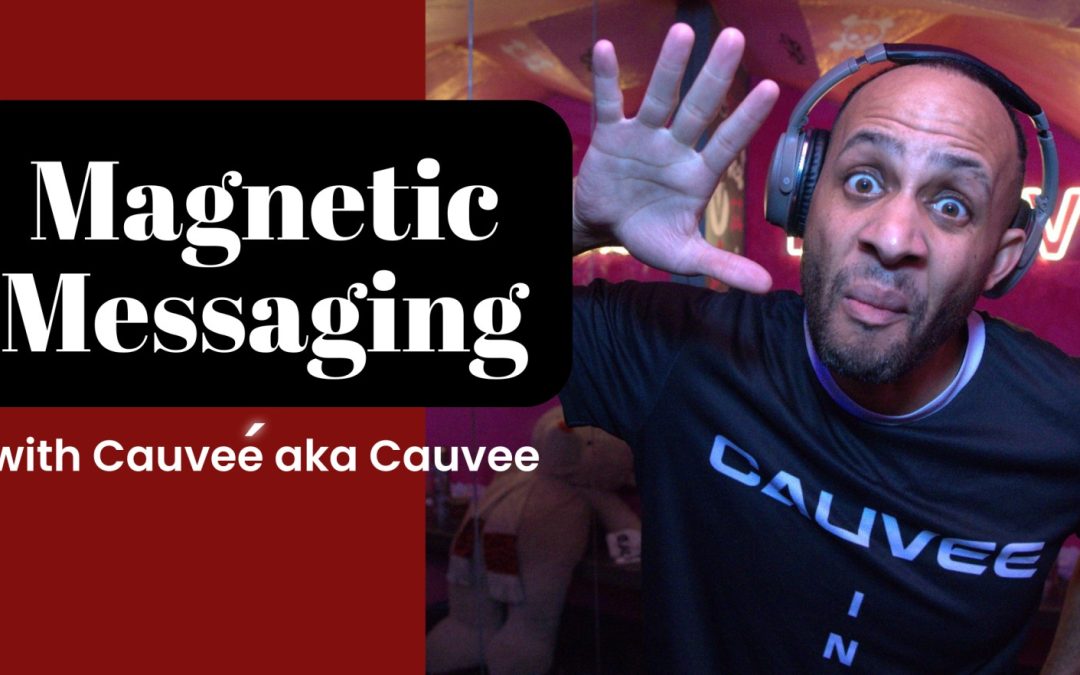
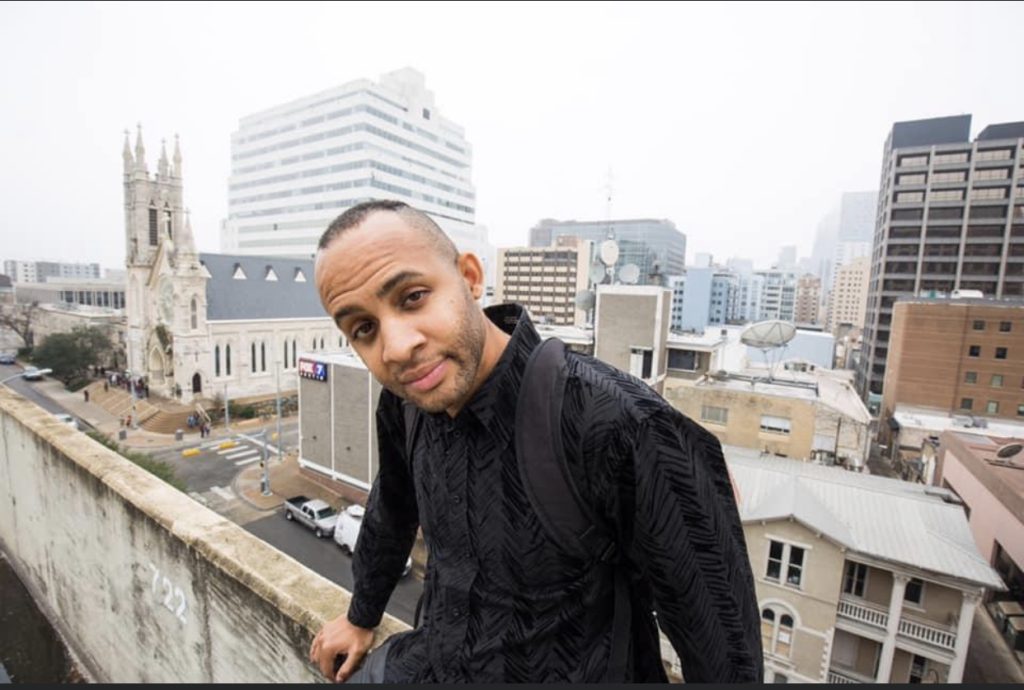
When you meet someone who’s truly living in alignment with their calling, you feel it. That’s exactly what happened during my conversation with Cauveé, also known as The Inspiration Engineer®. From overcoming homelessness to speaking on stages across the globe, his story is a masterclass in purpose, intentional branding, and soulful leadership.
In this episode of the Soul Podcasting Podcast, I sat down with Cauveé to talk not just about his incredible journey, but how that journey informs his approach to content creation, thought leadership, and building a movement through podcasting. This conversation is one you’ll want to bookmark and come back to anytime you feel stuck, overwhelmed, or unclear about your next move as a podcaster or entrepreneur.
Who is Cauveé?
Cauveé (also known as Cauvee) is the #1 Edutainer in the World, with a purpose to Awaken Dreamers and a mission to edify-and-uplift humanity. Known as the Inspiration Engineer®, and Legacy Driven Brand Strategist, Cauveé is a TEDx speaker, coach, and renowned strategist, who has made a significant impact empowering individuals using his proprietary R.I.S.E & S.I.P. Methodology Framework® which creates Rockstar Brands, Increase Visibility, Sales Explosion and Elevate Authority with strategy, instruction, programming) to help influencers, brands, and entrepreneurs reach their full potential. Featured in various publications including Forbes, Influencive, Huffington Post, Apple Music, Thrive Global, Spotify, Daily Scanner, to name a few, Cauveé has been captivating audiences from the stage, whether conducting online sessions, leading breakout rooms, or providing one-on-one guidance in mindset, marketing, sales, and operational strategy. Cauveé commits to providing a once-in-a-lifetime experience and giving you a BOOST!☕️ everytime!
The Backstory That Built the Brand
Cauveé doesn’t just talk motivation — he lives it. His personal story of going from being homeless to speaking on over 2,400 stages across 17 countries is the kind of transformation that doesn’t just happen by accident. It takes mindset, faith, and a decision to stop letting circumstances dictate your future.
That theme — making a decision — kept resurfacing in our chat. Cauveé reminded us that identity precedes strategy. Before you ever buy the mic, write the intro, or pitch your dream guest, who you decide to be will shape how your podcast shows up in the world. And that’s a game-changer.
The Identity Shift That Makes the Mic Matter
So many of us think we need more clarity before we start — more planning, more prep, more permission. But Cauveé’s take was this: clarity comes from movement. Identity and purpose don’t show up fully formed on day one. You create and refine them through action.
This was such a powerful reminder for podcasters, especially if you’re in that phase of “should I launch?” or “do I pivot this show?” Instead of chasing clarity, try chasing alignment. Cauveé emphasized that alignment is the anchor for consistent, compelling content.
When you’re aligned, your message flows. Your mic becomes a tool, not a burden. Your podcast becomes a platform, not a project.
Structure, Flow, and the Energetics of Leadership
One of my favorite parts of the conversation was when we dove into the masculine and feminine energy dynamic in podcasting and entrepreneurship. Cauveé broke it down like this:
Feminine energy is your flow: vision, creativity, intuition.
Masculine energy is your structure: systems, consistency, execution.
Many podcasters — especially creative, visionary types — stay stuck in the flow but avoid the structure. That’s where burnout, inconsistency, or stagnation can creep in.
If you’re always creating from inspiration alone and never pairing it with a system or routine, your show won’t have the foundation to grow and scale. Cauveé urged us to build both: let your feminine energy guide the vision, but let your masculine energy ground the delivery.
The Power of a Movement, Not Just a Message
This isn’t just about podcasting. It’s about platform-building. Cauveé shared that one of his superpowers is helping people transform their message into a movement. And honestly, isn’t that what we’re all trying to do?
We didn’t start our shows just to talk. We started because we believe our voice matters. Because we want to make impact. Because we want to reach people in a meaningful way.
Podcasting isn’t a hustle tactic — it’s a calling. And Cauveé reminded us that a calling requires commitment.
Whether you’re launching a podcast or scaling your current one, his challenge to all of us was to approach it with intentionality. Think of your episodes like stages. Think of your audience as a room full of people who chose to show up for transformation. What are you doing with that mic time?
The Identity-Driven Content Strategy
For those of you who love a practical takeaway (you know I do), this was gold: your content strategy must be shaped by your core identity. That means:
Who you are determines the lens you speak from
Who you’re serving determines how you position your message
What you believe determines the energy behind every episode
If your content doesn’t feel authentic, it’s probably because your identity and your strategy are out of sync.
Cauveé’s approach isn’t just motivational—it’s strategic. He walks through a whole identity framework with his clients to help them show up powerfully and profitably, not just on podcasts, but across every platform.
And let me just say: if you’ve been feeling like your podcast doesn’t quite reflect the boldness or clarity of your voice anymore… that might be the nudge to reconnect with your why. Don’t be afraid to evolve. You’re not boxed in.
What This Means for Soulful Podcasters
This conversation left me reflecting on how much of podcasting success has nothing to do with downloads or gear — and everything to do with embodiment. Are you embodying your message?
Are you trusting your voice enough to stop overthinking the structure? Are you letting your story serve someone else’s transformation?
Podcasting soulfully means you show up even when it’s not perfect. It means you treat your platform as sacred. It means you lead with purpose, not performance.
And that’s exactly what Cauveé modeled in this conversation.
Free Gift from Cauveé
Cauveé put together an exclusive resource bundle for the Soul Podcasting community — tools to help you build, brand, and monetize your podcast. It includes:
If you’re ready to stop playing small and start building a real platform — not just a podcast — this is where you start.
Final Thoughts & How to Reach Cauveé
This wasn’t just another interview. It was a masterclass in purpose, personal branding, and alignment. If you’re a podcaster, speaker, or creative entrepreneur navigating your next level, let this episode be your mirror.
Cauveé reminded me — and all of us — that your voice is sacred. Your story is valid. And your platform has the power to shift culture, if you build it from a place of alignment.
This is your invitation to go deeper, get strategic, and show up like the leader you were born to be.
In a world whePublishing your podcast isn’t just about hitting “upload” and walking away. If you’re a podcaster who wants to grow your audience, boost your downloads, and get your message heard, then it’s time to pay serious attention to something most people overlook: podcast timing and visibility.
In this post, we’re going to unpack the real deal behind choosing the best day to publish your podcast. I’ll show you how aligning your release schedule with your audience’s habits can lead to stronger consistency, better marketing flow, and long-term growth. Let’s get into it.
Why Podcast Timing and Visibility Go Hand in Hand
When it comes to launching new episodes, timing is everything. Think about it: your audience has routines, habits, and rhythms. Whether they listen on Monday morning during their commute or catch up on content during weekend laundry marathons, your publishing day needs to match their behavior.
Podcast timing and visibility are connected because your chosen release day determines how likely your show is to show up in front of your audience when they’re actually available to listen. This isn’t about gaming algorithms—it’s about being present when your people are tuned in.
The Most Popular Podcast Publishing Days (And Why They Work)
The industry trend shows that most podcasters release episodes early in the week—typically on Mondays, Tuesdays, or Wednesdays. Why? These are peak listening times:
Monday: A fresh start to the week. People are getting organized and open to new info.
Tuesday/Wednesday: Commutes, focused workdays, and time blocks often allow space for learning and listening.
But what if your audience is different?
If you serve creative entrepreneurs, busy moms, faith-based communities, or side-hustlers, their listening times might shift toward evenings or weekends. That’s where data—and a dose of intuition—can guide you.
How to Use Podcast Timing to Boost Visibility
Let’s break it down: your timing decision affects visibility in a few key ways.
1. Tap into Your Audience’s Listening Habits
Ask yourself (or better yet, your audience): When are they most likely to listen? Look at your analytics—like Spotify or Apple Podcasts dashboards—and track:
Days with highest downloads
Listener location (time zones matter!)
Devices (desktop vs. mobile = home vs. commute)
Use that intel to publish when they’re primed and present. Remember: better podcast timing and visibility starts with knowing your people.
2. Be Consistent—No Matter the Day
Yes, your publishing day matters—but what matters more is consistency.
When you release your episodes regularly (same day, same time), your listeners build trust. They begin to expect you, look for your show, and even shape their habits around your release schedule.
Pick a day that feels sustainable for you. Don’t force yourself into a Monday drop if Sunday nights are already jammed. Choose a rhythm you can maintain.
3. Align Your Marketing With Your Publishing Day
This is where the magic happens. Let’s say you publish on Wednesdays. That means:
Wednesday morning: Your episode drops
Wednesday afternoon: You send an email blast to your list
Thursday and Friday: You post audio snippets, reels, and behind-the-scenes on IG, TikTok, or LinkedIn
This synergy creates momentum. Every action you take after publishing builds upon the visibility of your podcast. Without alignment, you miss that opportunity.
Choosing the Right Day: 3 Questions to Ask
Not sure where to start? Here are three questions to help you align your podcast timing and visibility:
When is my audience most engaged? Look at social media engagement, email open rates, and podcast download spikes.
When can I consistently show up without burnout? Sustainable > trendy. Choose a day that fits your life.
What day gives me the most leverage for marketing follow-through? Think of your week as a rhythm. Your publishing day should lead into two strong days of content promotion.
Podcast Timing Myths (Let’s Bust Them)
Myth #1: “There’s a perfect day that works for everyone.”
Nope. That day doesn’t exist. It depends entirely on your niche and your listener habits.
Myth #2: “I can change my publishing day whenever I want.”
Technically, yes—but you’ll confuse your audience and possibly lose traction. Stick to a consistent day unless you communicate the change clearly and with intention.
Myth #3: “I have to publish early in the morning.”
You don’t. Publish at a time that syncs with your marketing plan and how your audience consumes content. Morning drops aren’t mandatory—just strategic.
My Personal Strategy: Why I Publish Midweek
As a podcast coach and agency founder, I publish most of my solo episodes midweek—usually on Wednesdays or Thursdays. Here’s why:
It gives me Monday and Tuesday for production and editing.
My audience—creative women and solopreneurs—tend to binge content during midweek lulls or catch up Thursday evenings.
I align my social posts and newsletter with this drop for max visibility.
That’s how I approach podcast timing and visibility in my own business. It’s intentional, it’s consistent, and it gives me breathing room to show up fully.
Bonus Tip: Use Analytics + Community Feedback
You don’t need to guess. Ask your audience directly via polls, email, or IG stories:
“When do you usually listen to podcasts?”
“Do you prefer new episodes earlier in the week or weekends?”
Pair that with backend data and you’ll have everything you need to choose a powerful publishing day.
Final Thoughts: Your Podcast Timing = Your Visibility Strategy
Don’t underestimate the impact of your publishing schedule. It’s not just about convenience—it’s about intention.
Your podcast timing and visibility strategy can:
Increase your downloads
Help your audience build listening habits
Supercharge your content marketing
Reduce overwhelm by creating rhythm
So whether you’re just launching or recalibrating your current show, take time to define your ideal release day. Then stick with it, build around it, and make it work for you.
Want help building a custom podcast strategy that fits your life and your goals? Visit soulpodcasting.com and let’s create something soulful, strategic, and sustainable.
Stay consistent. Stay soulful. And keep showing up with purpose.
💛
Ready to lighten the load and podcast with more soul?