Let’s get one thing straight: launching your podcast doesn’t require a studio full of blinking lights, a sound engineer, and a thousand-dollar mic. What you actually need is a setup that works for you—something simple, sustainable, and good enough to make your voice shine without the stress or sticker shock.
Over the past few months, I’ve been getting a wave of questions from new podcasters asking:
“What’s the best podcast setup for beginners?” “Do I need to buy all this gear before I launch?” “Why doesn’t my audio sound professional?”
And here’s what I always tell them: your setup doesn’t define your success—your consistency and clarity do.
But, yes—your setup does matter enough to get right from the start. Because bad audio will turn listeners away, and the good news is, it’s easier than ever to sound professional without spending a fortune.
So, let’s break it down.
Step 1: Start with the Mic That Matches Your Season
Your microphone is the heart of your podcast setup—but you don’t need to marry it. Think of it like dating: start with something solid that fits your life and your goals right now.
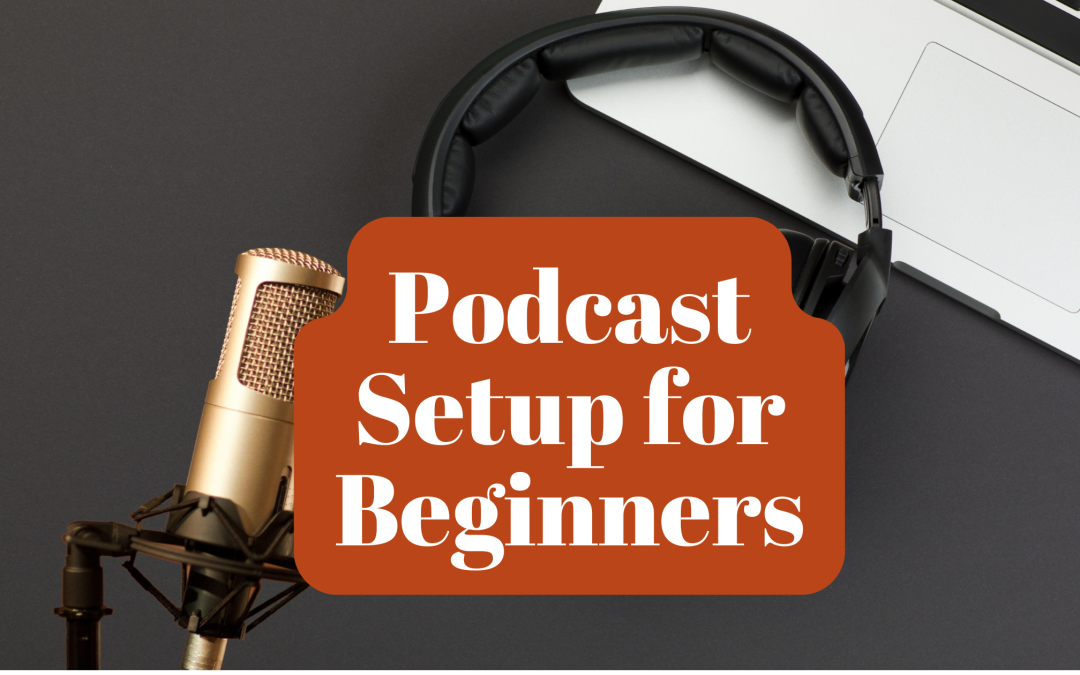
Here’s my honest, real-world take: I’ve used my good ol’ trusty Blue Yeti microphonefor years. It’s not the most glamorous mic out there, and by industry standards, it’s far from “top tier.” But it’s reliable. It delivers clean, rich sound when used correctly—and that’s what matters.
Now, if you’re looking for alternatives that are beginner-friendly and portable, here are my top picks:
🎙️ Samson Q2U – This one’s my go-to recommendation for new podcasters. It’s a dynamic mic that plugs in via USB or XLR, so you can grow into a more advanced setup later.
🎙️ Audio-Technica ATR2100x – Very similar to the Samson Q2U, with a clear, crisp tone and solid build.
🎙️ Rode PodMic USB – For those who want slightly higher-end sound but still want plug-and-play simplicity.
What you don’t need right now? A complex interface, a mixer, or a $700 condenser mic that picks up every car horn and dog bark in your neighborhood.
Keep it simple. Keep it soulful.
Step 2: Build a Sound-Smart Space (Without Building a Studio)
Now, let’s talk about the real secret to sounding pro: your recording environment.
If your room echoes, even the best mic can’t save you. You need to soften your sound space.
And no—you don’t need expensive acoustic panels. I use a foam recording box I grabbed on Amazon, paired with a simplepop filter clipped right onto my mic stand. The foam box absorbs reflections, while the pop filter tames those harsh “p” and “t” sounds.
If you’re on a tight budget, here’s a little hack that works wonders:
Record in a closet surrounded by clothes (seriously, it’s nature’s sound booth).
Throw a thick blanket over hard surfaces near your mic.
Turn off noisy fans, air conditioners, and any humming electronics.
Your goal isn’t perfection—it’s clarity. You’re creating a vibe, not a recording studio.
Step 3: Choose Software That Doesn’t Slow You Down
Now, let’s talk about recording software—because this is where most new podcasters overcomplicate things.
If you’re brand new to this, you just need something intuitive that doesn’t require a tech degree.
Here are my top picks:
GarageBand (Mac) – Free, simple, and surprisingly powerful. Perfect for solo episodes or basic editing.
Audacity (Mac/Windows) – Open-source and solid for beginners. Not the prettiest interface, but it gets the job done.
Riverside.fm or Zencastr – Ideal for remote interviews. Both record locally (on each person’s computer) so your audio stays clean even if your Wi-Fi decides to betray you mid-episode.
Pro tip: if you’re using Riverside or Zencastr, always wear headphones. It keeps your audio crisp and prevents echo.
The goal here isn’t to master every button—it’s to find your rhythm. Pick a platform, learn the basics, and start recording. You can always refine your workflow later.
Step 4: Focus on Consistency Before Complexity
Let me tell you something I wish every new podcaster understood from day one: you don’t need the perfect setup to start—you need the right mindset to keep going.
I’ve seen too many people stall out before they even launch because they’re waiting for the perfect mic, the perfect intro, the perfect logo. But podcasting is a practice. You learn by doing, not overthinking.
When I launched my first podcast years ago, I didn’t have fancy gear. I had a cheap mic, a quiet room, and a message. What mattered was showing up.
And here’s the thing—your audience doesn’t care what microphone you’re using. They care that you’re consistent, authentic, and providing value.
So, instead of spending six months perfecting your setup, spend six weeks recording, listening, adjusting, and improving. That’s how you grow faster and find your voice.
Step 5: Upgrade Slowly—When You’re Ready
Once you’ve been podcasting for a while and you’re starting to find your groove, then you can start thinking about upgrades.
A few gear additions that make sense over time:
Audio Interface (like the Focusrite Scarlett 2i2) if you move to XLR mics.
Boom Arm Mic Stand for better mic placement.
Closed-back Headphones for cleaner editing and less bleed.
Soundproofing panels or foam if you move into a larger or echo-prone space.
But don’t rush it. Your audience isn’t asking for better gear—they’re asking for your next episode.
Step 6: The Soul of a Great Setup
Let’s zoom out for a second, because podcasting isn’t just about cables and tech. It’s about connection.
Your podcast setup should feel like an extension of your creativity, not a barrier to it. The goal is to design an environment where you can hit record easily, speak confidently, and stay in flow.
That’s why my motto is “sustainable setup.” If your process is too complicated, you won’t stick with it. But when it’s simple and aligned with your lifestyle, you’ll actually look forward to creating.
Here’s what a soulful podcast setup looks like in real life:
It’s quiet enough to focus.
It’s organized enough to feel calm.
And it’s personal enough to feel like home.
You don’t need to imitate the big podcast studios—you just need to honor your own rhythm.
Step 7: Your Quick Setup Checklist
To make this super practical, here’s your beginner podcast setup checklist to reference before you hit record:
🎙️ Equipment ✅ Microphone: Samson Q2U / ATR2100x / Blue Yeti ✅ Pop Filter: Attached to mic stand ✅ Foam box or DIY acoustic treatment ✅ Headphones for monitoring
💻 Software ✅ GarageBand or Audacity for editing ✅ Riverside or Zencastr for interviews ✅ Descript (optional) for transcripts and easy editing
Final Thoughts: Start Simple, Stay Consistent, and Grow with Soul
When it comes to your podcast setup, I’ll leave you with this: Don’t chase perfection—chase purpose.
Every podcaster you admire started out unsure, experimenting, and figuring it out as they went. What separates those who make it from those who fade out isn’t gear—it’s grit.
So, whether you’re using a Blue Yeti, a Samson Q2U, or just your phone mic to start—what matters most is that you’re sharing your message, building your voice, and showing up.
Because at the end of the day, your mic doesn’t create impact—you do.
Ready to lighten the load and podcast with more soul?
Hey hey, friend—welcome back to another post from Soul Podcasting, the space where passion, purpose, and podcast strategy collide to help you amplify your voice—without the burnout. I’m Demetria Zinga, founder of the Soul Podcasting Collective, a podcast production agency where I help solopreneurs launch and grow their podcasts confidently. I’m also a podcast coach and strategist, and today, we’re diving deep into something every podcaster wants: podcast growth.
Not just the flashy, overnight-download kind of growth—but the intentional, sustainable growth that actually moves your mission forward. If you’ve been following along, you know we’ve talked about finding your podcast voice in Episode 79, which is foundational before you think about scaling. Today, we’re taking it a step further with actionable strategies and personal insights from my 2025 journey.
Podcast Growth Strategies That Actually Work
Let’s start by being real: there’s no magic button for instant growth. Anyone telling you otherwise is selling something. What actually works is layering strategies, showing up consistently, and paying attention to both numbers and impact.
Here are the growth strategies I’m leaning into right now:
1. SEO: The Long Game
Your podcast episode isn’t just a conversation—it’s content that can live forever, or it can vanish into the algorithm void. That’s why SEO matters.
I’ll admit: I used to slap on catchy titles and move on. But lately, I’ve been revisiting my back catalog, rewriting episode titles, and updating show notes to include keywords people actually search for. It’s not glamorous work, but it’s powerful.
For example, a title like “Episode 57: My Thoughts on Branding” is invisible in search. But “How to Build a Soulful Brand That Attracts Your Ideal Client”? Now you’re searchable. That’s discoverability. That’s growth.
AI has become a helper here—I run transcripts through AI tools, pull out key phrases, and brainstorm titles. But I always make sure the final title still feels true to my voice. This balance between tech efficiency and soul is where podcast growth really thrives.
2. Choosing Your Platforms—With Intention
We’ve all been told, “be everywhere.” But here’s the truth: spreading yourself too thin is a growth killer.
In 2025, my main platform is Instagram. It’s where my audience hangs out, and where I feel comfortable showing up consistently. LinkedIn? Sometimes. But I’m not trying to be a LinkedIn thought leader.
YouTube deserves a shout-out here too. Earlier this year, I experimented with a few Shorts. Even without total consistency, my channel began to grow, which reminded me that YouTube rewards even small, consistent contributions. It’s a long-term strategy for discoverability and reach.
So stop chasing every shiny platform. Ask yourself: Where do I want to show up consistently? Where will my energy make an impact? That’s the start of intentional podcast growth.
3. Guesting as Growth
Guest appearances are one of the most underrated ways to grow your podcast. You’re not just borrowing someone else’s audience—you’re building relationships with other hosts, opening doors for collaborations, referrals, and unexpected opportunities.
This summer, I did a “mini podcast tour,” hopping on a few shows in my niche. No pressure, no production stress—just connection and sharing. And guess what? Listeners followed me back to my show. Guesting is a growth multiplier that pays off in ways you can’t always measure with downloads.
4. AI as Your Assistant, Not Your Identity
Let’s clear this up: AI isn’t the enemy, and it’s definitely not a replacement for your voice. Think of it as a tool for efficiency, not creativity.
I use AI to outline episodes, draft show notes, and mine transcripts for key phrases—speeding up admin so I can focus on the creative work that actually moves my podcast forward. The soul of the show? That’s still 100% human. That’s still you.
Layering these four strategies—SEO, intentional platforms, guesting, and AI support—has been the backbone of my growth strategy this year. They’re not flashy, but they work.
Why Downloads Aren’t the Only Metric That Matters
If you’re fixated on download numbers, I get it. We all log in and check stats—it’s a natural reflex. But here’s the truth: downloads don’t tell the whole story.
I know podcasters with thousands of downloads per episode who aren’t making money or building meaningful relationships. And I know podcasters with a few hundred loyal listeners who are landing speaking gigs, coaching clients, and truly thriving.
Here’s how growth manifests beyond numbers:
Speaking Opportunities: A single episode led to a panel invitation for me. One episode. Not my downloads, but the clarity of my message.
Client Trust: Coaching clients have discovered me through a single episode, knowing right away that we were a fit.
Thought Leadership: Every episode is a brick in your credibility house. Your audience starts quoting you, sharing your ideas, and recommending you to others.
Life Impact: Sometimes your podcast changes someone’s day—or their life. That doesn’t need to go viral to be meaningful.
If you’re feeling stuck because your stats seem low, take a deep breath. Consistency, clarity, and alignment are the true measures of podcast growth.
Real-Life Podcast Growth Wins from My Journey
I want to get personal here for a moment. A few years ago, I looked at my podcast stats and realized I had multiplied my audience by over 7000%—from just a handful of listeners to over 200. That moment was a wake-up call: small beginnings compound over time.
Since then, growth has been steady because I focus on:
SEO: revisiting older episodes and updating titles (Episode 70 is a great example of a reworked, discoverable title).
Platforms: showing up consistently where it feels natural—Instagram and YouTube Shorts mainly.
Guesting: connecting with other creators.
Community: fostering meaningful relationships through emails, voice notes on Speakpipe, and personal replies.
These little actions stack up. Even when it feels slow, every listener is a real person investing time in your content—and that foundation is invaluable.
Podcasting in the News: Why Persistence Pays
According to PodMatch’s 2025 Podcast Industry Report, only about 10% of independent podcasters are “actively established.” But that 10% produces 95% of all podcast listening.
Translation? Most people quit too soon. Growth requires persistence. Even if you take breaks, rebrand, or pivot, consistently showing up is what moves the needle.
Community plays a huge role too. I still see it in action through your replies, emails, and voice notes on Speakpipe. For example, Sylvie from France left me a voice note sharing her podcast plans and encouragement—and that connection made my week. That’s the kind of growth you can’t measure with downloads alone.
What This Means for Your Podcast Growth
Here’s the bottom line:
Consistency beats ubiquity: Don’t try to be everywhere; show up consistently where it counts.
Strategic actions matter more than trends: SEO, guesting, and intentional platform use compound over time.
Impact beats downloads: Focus on the relationships, opportunities, and transformations your podcast creates.
Community is your superpower: Your audience, fellow podcasters, and listeners who reach out—these are your growth allies.
Extra Tools for Intentional Growth
If you’re ready to accelerate your podcast growth, here are some resources I personally recommend:
Consider a free Podcast Audit to identify opportunities to level up your show.
Remember: growth isn’t about chasing downloads or comparing yourself to others. It’s about showing up, building relationships, and amplifying your message with purpose.
Keep showing up. Keep creating. And most importantly—keep podcasting with soul.
Ready to lighten the load and podcast with more soul?
Hey hey, and welcome back to Soul Podcasting — the space where we don’t just talk about podcasting as content… we treat it like the soul of your brand. I’m your host, Demetria Zinga, podcast coach, strategist, and founder of the Soul Podcasting Collective, where we help visionary women entrepreneurs and founders launch, grow, and repurpose podcasts that sound like their purpose — not just their profession.
Today’s post is going to be a deep dive into a topic I get asked about more than any other: How do I actually find my podcasting voice?
Before we get into all the actionable tips, I want to pause and share something really special. This summer, I had the honor of serving as a judge for the Women Who Podcast Awards, led by the incredible Kathy Barron. At the end of it, I received a medal for participating, and honestly, it meant so much to me. Not just the medal, but being part of a global community of women raising their voices and making impact through podcasting. It reminded me again of why I love this medium and how essential your unique voice is in this space.
So grab your favorite drink, settle in, and let’s chat about finding your podcast voice — the one that will make your show unmistakably yours.
What Does “Finding Your Podcasting Voice” Really Mean?
Let’s start with a big myth-buster: finding your podcasting voice isn’t about sounding like a radio host or having a perfect, polished tone. It’s not about a deep baritone or the “perfect” radio voice. Your podcasting voice is the way your personality, energy, and perspective shine through the microphone.
When I first started podcasting back in 2005, I thought I had to sound like the hosts I admired on radio. I was editing out every “um,” trying to sound ultra-polished, and squeezing myself into a version of me that honestly didn’t feel natural. And let me tell you — it was exhausting.
It took me a long time to realize: my real voice came out when I stopped trying to impress and started to connect. When I told stories. When I laughed at my own mistakes. When I let listeners hear the real me — the messy, funny, passionate, sometimes vulnerable me.
Your podcasting voice is about authenticity, not perfection. It’s your energy. Your vibe. Your personality wrapped up in words and tone. And that’s what draws listeners in, keeps them engaged, and makes them feel like they actually know you.
Why Your Voice Matters More Than You Think
Here’s the truth: the podcasting world is crowded. There are hundreds of thousands of shows covering every topic imaginable. But the reason listeners choose your show — and more importantly, why they stay — is your voice.
Think about your favorite podcasts. Sure, the content is valuable, but what makes you hit “subscribe” or keep listening episode after episode? It’s usually the host. Their humor. Their perspective. Their warmth. Their style. The way they make you feel like you’re in on something special.
Your voice is your podcast brand. It’s the one thing nobody else can copy. And if you’re trying to fit into someone else’s mold, you’re losing the very thing that makes your podcast memorable.
This is why I always tell my clients: you can have the most brilliant content in the world, but if it doesn’t sound like you, it won’t stick. Your voice is what creates the connection, the loyalty, and the magic that turns casual listeners into raving fans.
Practical Ways to Find Your Podcasting Voice
So, how do you actually discover that authentic voice? Let’s break it down into actionable steps that you can start using today.
1. Record More Than You Release
Give yourself permission to record “practice episodes” that no one will ever hear. Try different tones, different energy levels, and different ways of structuring your content. Some of your most important discoveries will happen off-air.
I always encourage podcasters to embrace this. The first 5–10 episodes you record may not feel “perfect,” and that’s okay. The point isn’t perfection — it’s exploration. You might discover that you’re hilarious when riffing freely, or that your listeners connect most with your storytelling.
Think of this as your sandbox. Play. Experiment. Test. And most importantly, listen back to learn what feels natural.
2. Notice Where You Feel Most Alive
Your voice emerges when you feel alive. That might be when you’re telling stories, coaching, teaching, or riffing off the cuff. Pay attention to where you feel most in flow and at ease — that’s where your true voice lives.
A lot of podcasters make the mistake of trying to sound serious or professional all the time. But if you feel stiff and unnatural, your listeners will sense it too. Your voice should be an extension of who you are when you feel the most confident, inspired, and engaged.
3. Warm Up Your Voice
Yes, your podcasting voice is your personality, but a few practical steps can make it sound better and feel more comfortable.
Before you hit record, spend 5 minutes reading out loud, doing vocal warm-ups, or even singing if that’s your thing. It loosens your muscles, helps you articulate, and gives your voice a natural rhythm.
Plus, a warm-up helps you relax. And when you’re relaxed, your authenticity shines.
4. Decide on Your “Tone Persona”
Ask yourself: do I want to sound like a trusted coach, a best friend, a storyteller, or a guide? This doesn’t mean you’re faking it — it means you’re giving your voice structure and consistency.
I see a lot of podcasters who wander from tone to tone within a single episode. This can be confusing for listeners. Defining a persona gives your voice shape and clarity, which actually makes it easier to be authentic.
5. Speak to One Person, Not the Crowd
This is one of my favorite tricks for making your voice feel warm and personal: picture a single listener while you record. Imagine them sitting across from you, sipping coffee, nodding along.
Talk to that one person. Forget the idea of a massive audience. Your tone will naturally be more intimate, more human, and more relatable.
6. Don’t Overedit the Humanity Out
Leave in some laughs. A pause. A little stumble here and there. It makes you human — and humans are what people connect with.
I’ve worked with podcasters who obsessively cut out every tiny pause or filler word. The result? Their episodes feel robotic and flat. Remember: imperfections are part of your voice. They’re what make your show feel alive.
7. Borrow, Then Evolve
It’s natural to start by mimicking podcasters you admire. Maybe you love their humor, energy, or storytelling style. But don’t stop there. Blend those influences into something uniquely yours.
Over time, you’ll notice patterns that feel natural to you. Those are your authentic voice cues. Let them guide your style and presence, not someone else’s.
Growing Into Your Voice Over Time
Here’s the good news: you don’t need to have your podcasting voice fully figured out before you launch. Your voice evolves with experience.
When I listen back to my first episodes from 2005, I cringe a little — and that’s okay. My cadence, tone, and confidence have all shifted with time. What mattered wasn’t sounding perfect from the start; it was showing up consistently, learning, and growing.
Your podcasting voice is like a muscle: the more you use it, the stronger it becomes. Give yourself permission to experiment, fail, and improve. Every episode is practice, and every episode brings you closer to your authentic voice.
Closing Reflection
If you’re struggling right now, here’s what I want you to remember: you already have a podcasting voice. It may not feel polished yet. It may not match the podcasters you admire. And that’s actually the point.
Your voice isn’t supposed to sound like theirs — it’s supposed to sound like you. Lean into practice. Pay attention to the moments where you feel most alive. Let your personality shine. That’s the voice your listeners are waiting for.
Authenticity will always beat perfection. Connection will always beat polish. And your voice — the real, raw, wonderful you — is your superpower.
Call to Action
And if you’re not sure whether your podcasting voice is really shining through — that’s exactly what my Podcast Audit is for. I’ll listen to your show, give you an honest, supportive assessment of your delivery and presence, and share ways you can step more fully into your authentic voice.
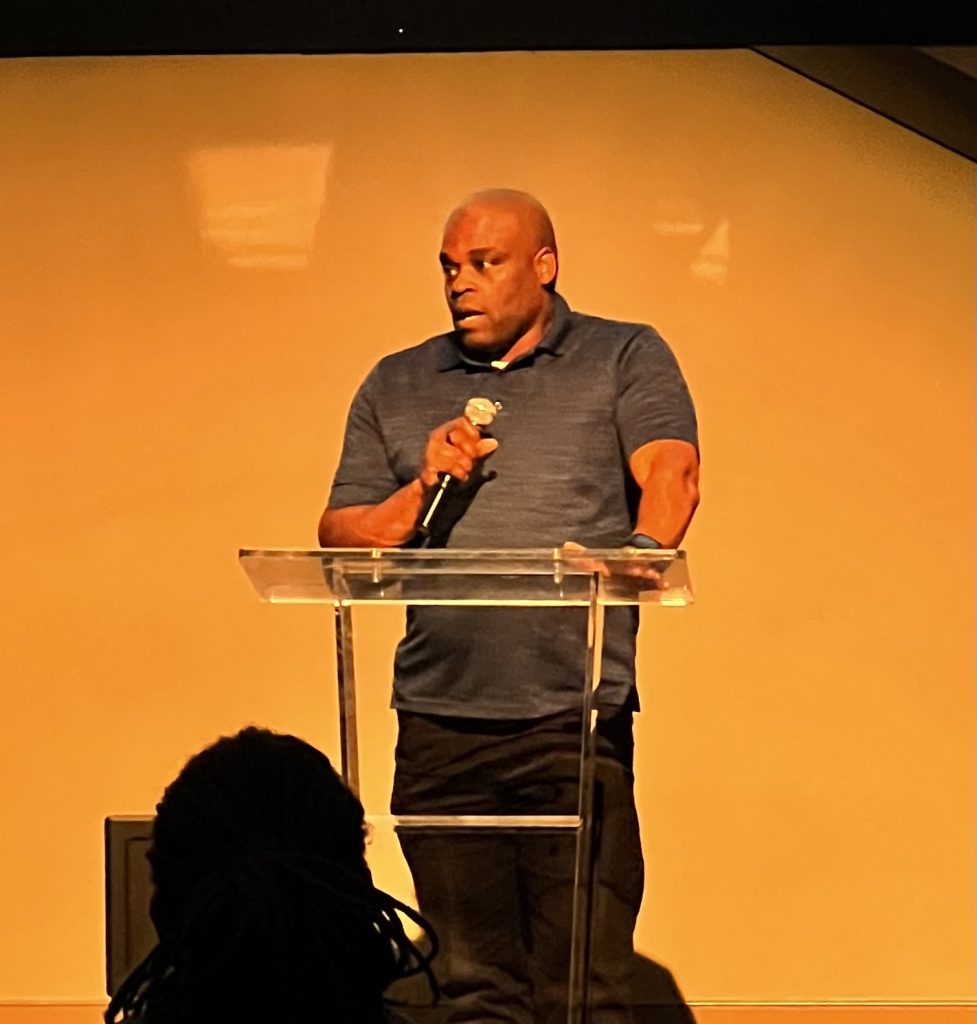
Yusef Marshall (Mista Yu) is “certified, licensed, and commissioned” but views himself as somebody with an ordinary background introduced to some extraordinary life experiences! Author, High Performance Coach at EverydayEdge Coaching, Professional Speaker, Ordained Minister, Former Chef, and Corporate Leader. He’s most proud of being a Professional Encourager and an Inspirational Opportunist! If he talks to you long enough, he is bound to encourage you! Welcome Mista Yu to the show!
Let’s be real for a minute. If you’re an introvert who’s been thinking about podcasting, chances are you’ve had this thought: “Who’s going to listen to me? I’m too quiet for all that.”
But here’s the truth I want you to sit with today: your quiet doesn’t disqualify you — it qualifies you. Your story has power, and somebody out there is waiting to hear it in your voice, in your way.
That’s why I couldn’t wait to share this conversation with Mista Yu. He’s a multi-hyphenate storyteller, ordained minister, bestselling author, and the founder of the They Call Me Mista Yu podcast brand. But here’s the kicker — he’s also an introvert who once believed he didn’t have much of a voice.
Now? He’s running multiple shows, building community, and helping people everywhere discover their purpose. And his journey is the reminder every introvert needs: you don’t have to be loud to be heard.
Growing Up Quiet in a Loud World
Mista Yu grew up in Brooklyn — a city where opinions fly faster than the subway trains. You’d think being surrounded by all that energy would pull him out of his shell, but nope. He often felt like his voice didn’t matter.
His mom, a powerhouse from the Virgin Islands, was working two jobs and going to school. She taught him resilience and responsibility, but when he dreamed of acting, music, or creative work, the answer was “no.” That wasn’t considered stable.
So, like a lot of us, he tucked those dreams away. He played it safe. He leaned on his introversion like a comfort blanket.
It wasn’t until he left New York that something clicked — that spark that whispered, “You do have something to offer.” That realization changed everything.
When “Introvert” Becomes an Excuse
One of the realest things Mista Yu said in our conversation was this: he used to hide behind the word introvert. Anytime he wanted to avoid stepping out, he’d say, “Oh, I’m just introverted.” It became a crutch.
But here’s the shift: people across the world were listening to his podcast episodes. Real humans, tuning in, waiting for what he had to say. He couldn’t keep hiding.
That’s the word for us too, isn’t it? Sometimes we use introvert as our excuse when really, it’s our assignment. Your voice, your perspective, your story — that’s exactly what someone needs.
From “They Call Me Mista Yu” to a Podcasting Brand
When Mista Yu started podcasting, he didn’t even want his name on the show. Too vulnerable, too personal. But eventually, They Call Me Mista Yu became not just a show — it became a whole brand.
At one point, he was hosting or co-hosting eight shows a week. (Yes, eight. Let that sink in.) He’s since scaled back, but it proved something powerful: introverts can absolutely thrive in podcasting when they lean into their strengths.
Here’s what his brand looks like today:
One-on-One with Mista Yu – his flagship interview show.
Inspiration Station – where he shares encouragement and soul food for the week.
A sports radio show for his hometown NFL team.
Men’s Roundtable – an incredible space for men to get real, get transparent, and find brotherhood.
Notice the theme? Every show is about community. Connection. Purpose. He’s not chasing numbers — he’s chasing impact.
Why Introverts Make Beautiful Hosts
This one’s for my introverts who think you don’t have “the personality” for podcasting. Let me tell you — you’ve got what it takes. And Mista Yu proves it.
Here’s why introverts often make the best podcasters:
You Notice What Others Miss You’re observant. You pick up on details. That makes your conversations richer and your content more thoughtful.
You’re a Deep Listener Listeners can feel when a host is really paying attention. Introverts know how to listen — not just wait for their turn to talk.
You Value Authenticity You don’t need to perform or be “extra.” People resonate with your realness.
You Care About Purpose You’re not here to fill the air. You’re here to say something that matters.
Sound familiar? That’s podcast gold right there.
The Pillars That Keep Him Grounded
Mista Yu runs his work on three pillars: accountability, value, and purpose.
Accountability: having people who see what you can’t and keep you grounded.
Value: making sure every episode adds something real to the listener’s life.
Purpose: remembering the “why” behind the mic.
And here’s where it hits home: podcasting isn’t about chasing followers or obsessing over downloads. It’s about service. If your voice reaches one person and encourages them, that’s purpose fulfilled.
For the Introvert Thinking About Podcasting
Let me drop this straight in your lap:
Stop hiding behind the word introvert. That’s not your prison; it’s your power.
Start small. One mic. One story. One listener.
Focus on connection, not competition. Community > downloads.
Give yourself permission to grow. Every episode shapes your voice.
Keep your eyes on the bigger picture. This isn’t just content — it’s calling.
The World Needs Your Story
Here’s the line that stuck with me: when you keep your story to yourself, you’re not protecting yourself — you’re withholding from someone who might desperately need it.
That one listener out there? They might be waiting for your story to break through their own doubt, fear, or pain. You don’t have to be perfect. You just have to be willing.
Final Word: Don’t Sleep on Your Voice
If you’ve been thinking, “I’m too quiet for this,” I want you to hear me loud and clear: you are not too quiet.
Your voice matters. Your story matters. And podcasting is a way to bring both to life.
Take it from Mista Yu — an introvert who found his way from the background to the mic, and is now leading a movement.
So go ahead. Hit record. Speak your truth. And remember: the world needs your story.
Ever scroll through Apple Podcasts or Spotify, search your podcast niche, and suddenly feel overwhelmed?
There are hundreds of shows just like yours. Same topic. Same audience. Same vibe. And you start thinking:
“Why would anyone listen to my podcast when there are already so many out there?”
I get it. I’ve been podcasting since 2005 — back when podcast niches weren’t even a conversation. Today, it feels like no matter what you talk about, there’s already a podcast covering it.
But here’s the truth: podcast saturation doesn’t mean impossibility. It means opportunity — if you know how to differentiate your voice and your brand.
Let’s break down exactly how to stand out in your podcast niche, even when it feels overcrowded.
Why a Saturated Podcast Niche Isn’t a Bad Thing
When I launched my very first show in 2005, the podcast world was wide open. No competition. No algorithms. Just me, a microphone, and figuring out how to upload audio files.
Fast-forward to today: podcasting looks completely different. There are over 4 million registered podcasts, and most niches feel jam-packed. But here’s what most people miss:
Many podcasts fizzle out within 10 episodes (so they’re not really “competition”).
A podcast niche with lots of shows usually means there’s high demand.
People don’t choose podcasts based on topics alone. They choose based on connection.
So instead of avoiding a “crowded” podcast niche, embrace it. That means people are already searching for your content. Your job is simply to show up differently.
1. Lead With Your Perspective in Your Podcast Niche
Most podcasters think their topic is what sets them apart.
“I have a podcast about business.” “I have a podcast about wellness.” “I have a podcast about parenting.”
But here’s the truth: thousands of podcasters in your niche are covering the same ground. What makes you stand out isn’t the subject matter — it’s your perspective.
When I first started podcasting, I tried to sound like everyone else. My shows were polished but generic. It wasn’t until I leaned into my unique voice — as a creative, a woman of faith, a strategist who blends business with soul — that people started listening for me, not just my information.
If you want to shine in your podcast niche, ask yourself:
What life experience shapes my approach to this niche?
What do I believe that goes against the grain?
What stories and lessons can I share that nobody else can replicate?
Your podcast niche doesn’t need another copycat. It needs your lens.
2. Niche Down — Then Layer Your Personality Back In
We’ve all heard the advice: “Niche down your podcast.” And yes — it works. A focused podcast niche like “business coaching for creative freelancers” is far more compelling than just “business.”
But here’s the mistake many podcasters make: they niche down and strip out all their personality. They focus so hard on being “professional” that they forget to be memorable.
When I launched Impact Podcast Coach, my podcast niche was clear: helping women entrepreneurs and founders launch and grow shows. But what kept listeners coming back wasn’t just the niche — it was the way I infused my coaching with warmth, faith, and creativity.
The formula is simple:
Podcast niche clarity + your personality = a show people remember.
So yes, niche down. But then add back the quirks, humor, stories, and unique delivery that make your podcast truly yours.
3. Don’t Compete on Volume — Compete on Resonance
When you’re in a saturated podcast niche, it’s tempting to think:
“If I just put out more episodes, I’ll stand out.”
I used to believe this too. One summer, I published three episodes a week. And you know what? I burned out. The truth is, publishing more doesn’t guarantee you’ll stand out in your podcast niche.
What actually makes you memorable is resonance.
One of my most impactful episodes wasn’t a strategy-packed one. It was when I opened up about comparing myself to other podcasters and doubting my place in the industry. That episode hit home with my audience because it was real.
Listeners don’t just want another tutorial. They want something that resonates on a personal level.
So instead of focusing on output, focus on depth. Would you rather have 50,000 casual listeners — or 500 loyal listeners who share every episode because it moved them?
4. Improve the Listener Experience in Your Podcast Niche
Another underrated way to stand out? Make your podcast easy and enjoyable to listen to.
No matter your niche, people won’t stick around if your episodes are confusing, disorganized, or hard to hear. You don’t need a $10,000 studio setup. But you do need to respect your listeners’ time and attention.
That means:
Keeping your intro short and engaging.
Editing out distractions or long pauses.
Using music or transitions to create flow.
Ending with a clear call-to-action (so listeners know what to do next).
I noticed a huge difference in listener retention once I tightened my intros and created smoother pacing. It’s a small tweak that makes a big impact, especially in competitive podcast niches.
5. Build an Ecosystem, Not Just a Podcast
This is my favorite strategy for standing out in your podcast niche: stop treating your podcast like an island.
Your podcast should be part of an ecosystem that connects to the rest of your brand. That’s how you move from “just another show” to becoming a movement.
For me, my podcasts connect to my coaching programs, my Soul Podcasting Collective, and my resources for visionary women entrepreneurs. That ecosystem means listeners don’t just consume content — they engage with a community.
Think about it:
Do you invite listeners to join your email list?
Do you nurture them with exclusive content or communities?
Do you have offers or services tied to your podcast niche?
This is how you build long-term loyalty and authority in your niche.
My Personal Journey in a Crowded Podcast Niche
Looking back, I’ve had nearly 20 years in the podcasting space. I’ve seen it evolve from a small experiment into a massive global industry.
What’s kept me going isn’t chasing downloads. It’s flexibility. It’s the fact that I can run a podcasting business while also teaching music (a passion I’ve recently picked up again). Podcasting bends with me — and that’s what makes it sustainable.
That’s also the secret to standing out in a podcast niche: not trying to be everything to everyone, but letting your podcast reflect your real life and your unique story.
Final Thoughts: Standing Out in Your Podcast Niche
Yes, your podcast niche might feel saturated. But saturation is just proof that people are searching for your content.
The key to standing out isn’t louder production or endless episodes. It’s clarity, connection, and confidence.
To recap:
Lead with your perspective, not just your topic.
Niche down, then put your personality back in.
Focus on resonance, not volume.
Elevate your listener experience.
Build a podcasting ecosystem, not just episodes.
If you apply these, you won’t just blend into your podcast niche. You’ll stand out, sustainably and authentically.
Ready to Shine in Your Podcast Niche?
If you’re unsure whether your podcast truly stands out, I’d love to help.
With my Podcast Audit, I’ll review your show and give you an honest, detailed assessment of where you’re blending in — and where you could shine. You’ll walk away with actionable next steps to stand out in your podcast niche, without the overwhelm.
Jorge Olson is an expert on branding and marketing strategy. He’s written five books, taken five companies public, raised over $100 million in funding, and launched over 1,000 beverages and consumer goods. His latest book, Marketing Karma, is out now.
Podcasting is more than plugging in a mic and hitting record. It’s more than racking up downloads or chasing likes on social media. At its core, podcasting is about connection, storytelling, and building a ripple effect that extends far beyond your immediate audience. In this episode of the Soul Podcasting podcast, I sat down with branding and marketing strategist Jorge Olson to unpack what it really means to create a business and a podcast that’s soul-aligned. And trust me, this conversation will stretch the way you think about both marketing and podcasting.
Jorge is no ordinary guest. He has raised over $100 million, launched more than a thousand products, and taken multiple companies public. He’s the author of Marketing Karma, and his life story alone is enough to inspire you to rethink what’s possible. From growing up in Tijuana with no business background to becoming a global entrepreneur and thought leader, his journey is a masterclass in persistence, personal branding, and courage.
But what struck me most in our conversation wasn’t just the impressive numbers or accolades. It was his philosophy: the idea that marketing, like life, operates on karma. What you put out is exactly what you get back.
What Is Marketing Karma?
Let’s start with the basics. Marketing Karma isn’t about hustling harder or pushing your brand louder. It’s about energy, intention, and authenticity. Jorge explains that every word you speak, every story you tell, and every choice you make in your business is a seed planted in the world. Those seeds grow into opportunities, relationships, and outcomes that reflect exactly what you’ve invested.
If you show up for your audience half-heartedly, they’ll feel it. If you’re only podcasting to “get” something — more clients, more attention, more sales — people sense that too. But if you podcast from a place of generosity, of truly wanting to share your knowledge, your experience, your encouragement, then the right audience shows up. That’s marketing karma in action.
Podcasting as Karma in Motion
Podcasting is one of the clearest examples of marketing karma. Think about it: every time you publish an episode, you’re sowing seeds. You might not see the fruit immediately. Sometimes it takes months, even years, before a listener circles back to tell you how much your words impacted them. But when you keep showing up with consistency and heart, the return comes.
Jorge reminded me that thought leadership isn’t about trying to compete with everyone else’s flashy reels or viral clips. It’s about depth. Books, long-form podcasts, storytelling — these are the tools that separate you from the noise. They require effort, but because of that effort, they also carry more weight. A book, a thoughtful podcast, a meaningful conversation — these are lasting forms of marketing karma.
So, when we as podcasters sit down to record, we have to ask: What am I putting out there? What ripple am I creating?
Storytelling: Your Superpower as a Podcaster
One of my favorite parts of this episode was Jorge’s deep dive into storytelling. He explained that storytelling is the foundation of branding. It’s what draws people in and keeps them engaged. And it’s something every podcaster has access to — no fancy equipment or degrees required.
Jorge encouraged us to study storytelling the way we study marketing or business strategy. Watch movies not just for entertainment but to notice how the story unfolds. Read fiction to understand character development and pacing. And most importantly, apply those storytelling techniques in your podcast.
If you’ve been listening to Soul Podcasting for a while, you know this resonates deeply with me. Podcasting is a form of soul work. When you share your story, your lessons, your journey — even the messy parts — you invite listeners into a deeper connection. You create resonance. And that resonance is what builds trust, loyalty, and community.
Branding Starts with You
Here’s the truth bomb Jorge dropped that I want every podcaster to remember: Until you’ve made your first million, YOU are the brand. Not your logo. Not your podcast artwork. Not your Instagram aesthetic. You.
This is where so many podcasters and entrepreneurs get tripped up. We think we need to polish everything before we put ourselves out there. We hide behind graphics and taglines instead of showing up as ourselves. But Jorge reminds us that authenticity is non-negotiable. Until your brand grows large enough to stand on its own, your audience needs to connect with you — your voice, your story, your perspective.
So what does this mean practically for us as podcasters? It means leaning into your uniqueness. Share your quirks, your values, your faith, your lessons. Stop trying to sound like everyone else. The right audience will be drawn not to your perfection but to your humanity.
Protecting Your Peace as a Creator
Another important takeaway from this episode was Jorge’s insight on protecting your peace. Let’s be real: putting yourself out there as a podcaster is vulnerable. It opens the door to criticism, misunderstandings, even cyberbullying. Jorge, who has dealt with everything from hate mail to racial slurs while running public companies, offered a grounded perspective on how to handle it.
First, acknowledge the fear. Fear is natural. It’s built into us for survival. But fear doesn’t have to dictate our actions. Courage, Jorge said, is not the absence of fear — it’s moving forward despite it.
Second, set boundaries. Just like you wouldn’t let toxic people into your home, you don’t have to let them into your digital space. Block, delete, and keep your energy focused on those who value what you bring. Protecting your peace is not optional — it’s essential for longevity.
And third, cultivate empathy, even for the critics. This one hit me hard. Jorge reminded us that people who lash out are often deeply unhappy. Seeing them through that lens shifts your perspective and frees you from taking their words personally.
Business Modeling for Podcasters
If you’ve ever wondered, “What’s the endgame for my podcast?” this episode will give you clarity. Jorge emphasized the importance of business modeling — knowing your why and your desired outcome from the start. Are you podcasting to attract clients? To build a community? To write a book someday? To simply share your story?
Your business model doesn’t have to be a 50-page plan. But it does need to be intentional. When you know your why, your daily decisions fall into place. You know what to say yes to and what to walk away from. You know where to invest your energy and what’s just a distraction.
Podcasting, like any business, can be a lifestyle choice or a stepping stone to something bigger. There’s no one-size-fits-all answer. The key is clarity.
Soul-Aligned Business and Podcasting
At the heart of our conversation was this idea: your business, your podcast, your brand — they should bring you peace, not just profit. That’s what Jorge calls a soul-aligned business. It’s about creating something that not only sustains you financially but also fulfills you personally.
For podcasters, this means checking in with yourself regularly. Does this podcast feel aligned with who I am? Am I using it as a tool to connect, inspire, and serve? Or am I letting it become another hustle that drains me?
A soul-aligned podcast isn’t about chasing metrics. It’s about finding joy in the process, about connecting with even one listener whose life is changed by your words. It’s about building something that reflects your values and your vision for the world.
Final Thoughts
This conversation with Jorge Olson reminded me why I started podcasting in the first place: to share stories, build community, and create a ripple effect of encouragement and inspiration. Podcasting is more than content marketing. It’s more than branding. It’s an act of generosity, a form of soul work, and yes — it’s karma in motion.
So the next time you sit down to record, remember: every word you speak is a seed. Every episode is a ripple. And the energy you put out will return to you. That’s the essence of marketing karma. And that’s why podcasting, when done with heart, has the power to change not just your business but your life.
Want to dive deeper? You can grab Jorge Olson’s book Marketing Karma on Amazon or in bookstores, and follow his work at JorgeOlson.com for more wisdom on branding and entrepreneurship. And if you’re ready to explore podcasting as your own soul-aligned business, keep listening to the Soul Podcasting podcast — we’re just getting started.