Lessons, Gratitude, and What Podcasters Can Carry Into the New Year
There’s something sacred about the end of a year.
It’s the space between what was and what’s next. A moment to exhale. To look back without judgment. To honor what worked, what stretched us, and what shaped us.
This episode — and this post — is exactly that: end of year reflections paired with podcasting advice for creators who want to move into a new season with clarity, not chaos.
Before we rush into planning, launching, and setting goals, I want to pause and say thank you. Because Soul Podcasting is not just my voice — it’s a collective of wisdom, stories, courage, and lived experience shared by incredible guests throughout the year.
Honoring the Voices That Shaped This Year
This year’s conversations reminded me — again and again — that podcasting done well isn’t about chasing trends. It’s about alignment, intention, and service.
Here’s a heartfelt thank you to the guests who poured into this community:
Angela Ross reminded us that storytelling rooted in truth builds trust — and that authenticity is a strategy, not a liability.
Chris Jordan challenged us to think smarter, not louder, about how we show up in podcasting — emphasizing systems, clarity, and sustainability over burnout.
Seth Goldstein, in our Launch Your Podcast conversation, offered grounded, practical wisdom around launching with intention. He reminded listeners that a podcast launch isn’t about perfection — it’s about momentum, clarity of message, and understanding who you’re truly serving from day one.
Dave Jackson, the godfather of podcasting wisdom, brought timeless insight around consistency, listener trust, and playing the long game. His message was simple and powerful: podcasting success is built over time, not overnight.
Yusef Marshal (Mista Yu)brought heart, leadership, and faith into the conversation — reminding us that who we are behind the mic matters just as much as what we say on it.
Cauvee– reminded us that identity and purpose anchor everything we do — helping us shift from chasing clarity to creating from alignment, and teaching us how to turn our message into a movement with strategy and heart.
Aurora Winter opened our eyes to the neuroscience behind connection. She showed us that when we understand how the brain processes stories, emotion, and engagement, we can podcast more intentionally — creating content that truly resonates.
Roy Coughlanreframed success by emphasizing mission over money. His journey proved that when purpose leads, sustainability follows.
Dr. Julie Marty-Pearson shared a powerful story of turning pain into purpose. Her vulnerability reminded us that imperfect beginnings can still lead to meaningful impact.
Dennis Meador, Manouchka Elefant, and She Well Read each reinforced the importance of community, voice, and showing up fully as who you are — not who you think you’re supposed to be.
Every conversation this year added a layer of wisdom, and together they created a tapestry of what soulful podcasting truly looks like.
Podcasting Advice to Carry Into the New Year
Reflection without application only goes so far — so I want to leave you with three actionable pieces of podcasting advice you can carry into the new year with confidence.
1. Reflect Before You Rebuild
Before you rush into rebranding, relaunching, or scrapping everything, pause.
Ask yourself:
Which episode felt the most aligned this year?
Which conversation energized you the most?
Where did you feel resistance — and what might that be teaching you?
Reflection helps you build from wisdom, not frustration. Your past episodes are data — not mistakes.
2. Set Intentions, Not Overwhelming Goals
Instead of setting ten podcast goals, choose one or two intentions.
Maybe it’s:
Showing up more consistently
Inviting more meaningful guests
Speaking more boldly about what you truly believe
Intentions act like a compass. They guide your decisions without boxing you in. And they leave room for growth, creativity, and grace.
3. Nurture Your Community — Not Just Your Metrics
Downloads matter — but connection matters more.
Decide on one way you’ll deepen community next year:
Respond to listener messages
Ask your audience questions on air
Collaborate more intentionally with guests
Podcasting thrives when it’s relational, not transactional. Build trust, and the numbers will follow.
A Word of Gratitude
Before closing, I want to say thank you to Erin Smith, founder of Workplace Woke LLC, for her incredibly kind words.
She shared that working with me reminded her that business doesn’t have to feel like a fight — that joy belongs in the process too. Erin, thank you for trusting me, for your honesty, and for walking this journey with such integrity. Your words mean more than you know.
Looking Ahead
As we step into a new year, my hope for you is simple: That your podcast feels aligned. That your voice feels steady. That your creativity feels supported — not strained.
In the coming year, Soul Podcasting will continue bringing you grounded conversations, soulful strategy, and voices that help you podcast with clarity and confidence.
If this year taught us anything, it’s that when you lead with soul, your podcast becomes more than content — it becomes connection.
Thank you for being here. Thank you for listening. And thank you for trusting this space.
Here’s to what’s next. 🎙️✨
Ready to lighten the load and podcast with more soul?
The holiday season is a unique time for podcasters. On one hand, there’s the warmth, joy, and festive energy that makes this time of year magical. On the other, there’s stress, long to-do lists, and the pressure to produce content even when your energy feels limited. For podcasters, especially creative, driven, purpose-focused creators, this tension can feel magnified. Balancing the excitement and the pressure requires intentionality—and that’s where podcast consistency becomes essential.
When we talk about podcast consistency, it’s easy to assume it means strict weekly uploads or hitting a set schedule no matter what. But true consistency is about more than frequency. It’s about showing up in a way that honors your voice, your energy, and your audience. Consistency is not about perfection. It’s about reliability—building trust with your listeners by letting them know they can count on you to show up authentically, whether you’re posting weekly, monthly, or even seasonally.
Why the Holidays Challenge Podcast Consistency
December, in particular, is often a season of reflection and anticipation. You look back at the year, considering the episodes you’ve recorded, the lessons you’ve learned, and the listeners you’ve hopefully impacted. At the same time, you’re planning for the new year: the content you want to create, goals you want to hit, and new ideas to bring to life. That tension—celebrating what’s been accomplished while preparing for what’s ahead—can make it hard to maintain podcast consistency.
Holiday activities, family obligations, and personal downtime often collide with your usual recording schedule. Some podcasters feel guilty when they can’t produce content at the same pace they have all year. Others feel overwhelmed by the idea of planning holiday-themed episodes or special content. This is where redefining podcast consistency becomes critical. Consistency doesn’t mean forcing content. It means showing up in ways that are manageable, sustainable, and authentic.
Redefining Podcast Consistency During the Holidays
Here’s a key perspective shift: podcast consistency is about presence, not perfection. Even a short, heartfelt episode—five minutes sharing a reflection or a holiday greeting—maintains your connection with your audience. You don’t have to post every week or create elaborate episodes to uphold consistency. What matters is that your audience sees your commitment, your voice, and your care.
When you allow yourself flexibility, you honor your energy while still maintaining podcast consistency. Some days, you may feel inspired to create a longer episode packed with content. Other days, a quick reflection or a personal story is enough. Both approaches reinforce your consistency because they demonstrate that your podcast is an ongoing, living project, not just a series of uploads.
The Value of Podcast Consistency
Why is podcast consistency so important? It’s not just about chart positions, downloads, or metrics. True consistency builds trust. Your listeners begin to rely on your presence and your voice. When you show up, even in small ways, you create a habit of engagement with your audience. They know they can count on your authenticity, your insight, and your support. That trust forms the foundation of a long-lasting podcast community.
Moreover, consistency allows you to honor your creative process. Podcasting is a journey, not a sprint. It’s a chance to share your ideas, stories, and wisdom with the world in a meaningful way. Each recording is a ripple that can touch someone’s life, even if you don’t immediately see the impact. By focusing on consistency rather than perfection, you give yourself permission to celebrate progress, not just results.
Practical Tips for Maintaining Podcast Consistency
Here are some strategies to help you keep your podcast moving during the holiday season:
1. Embrace Shorter Episodes: Not every episode needs to be long or elaborate. A five-minute reflection, story, or greeting maintains podcast consistency without demanding extensive prep or editing.
2. Prioritize Your Energy: Pay attention to your energy levels and schedule episodes when you feel most capable. Forced recording can lead to burnout and inconsistency in the long run.
3. Lean Into Authenticity: Share your real experiences, struggles, or holiday reflections. Audiences value authenticity more than polish, and authentic episodes support podcast consistency by allowing you to produce content even when time or energy is limited.
4. Plan Ahead with Flexible Goals: Create a light holiday content plan. Identify a few topics or stories you’d like to share, but allow room for spontaneity. Flexibility helps sustain podcast consistency without adding pressure.
5. Celebrate Small Wins: Even if you’ve only managed a few episodes this month, acknowledge the effort. Every recording, upload, or listener interaction contributes to your podcast journey and reinforces your consistency.
6. Use Breaks Strategically: Pauses are not failures. A short holiday break can help you recharge and return stronger, which ultimately supports your long-term podcast consistency.
Consistency Builds Connection
At its core, podcast consistency is about building a relationship with your listeners. Connection matters more than perfect episodes or strict schedules. Your audience notices when you show up, even in small ways. They feel your care, your authenticity, and your dedication. During the holidays, when life gets busy, leaning into meaningful, intentional engagement—rather than high-volume output—reinforces your consistency in a sustainable way.
Even if your episodes are sparse over the holiday season, each episode represents a moment of courage: you hit record, shared your voice, and extended your ideas to the world. That’s the essence of consistency—continuing to show up, even when the season challenges your schedule.
Consistency vs. Burnout
Many podcasters mistake frequency for podcast consistency. They feel they must post every week, or they fall into guilt or burnout. But true consistency honors your limits, energy, and creativity. When you take time to rest and recharge, you’re actually investing in your ability to remain consistent over the long term. Sustainable podcasting is built on rhythm, not rigidity.
The holidays provide an opportunity to pause, reflect, and recalibrate. By slowing down and embracing the season, you can maintain your podcast presence without sacrificing your well-being. And when the new year arrives, you’ll be ready to create with clarity, confidence, and purpose—reinforcing your podcast consistency in a way that feels natural, not forced.
Celebrating Your Journey
Finally, take a moment to celebrate your podcasting journey. Each episode, whether big or small, contributes to your growth and connection with your audience. Reflection during the holidays reminds us that consistency is not about perfection—it’s about showing up, learning, and growing. Whether you produced two episodes or ten, your effort matters.
Podcasting is a gift—not just for your listeners, but for yourself. Every episode is a chance to share your wisdom, ideas, and voice. Every interaction, every comment, and every listener connection reinforces the value of your work. Maintaining podcast consistency is about honoring that gift, your voice, and the community you’re building.
Conclusion
As we approach the holiday season, remember that podcast consistency isn’t about pushing yourself to the limit. It’s about showing up authentically, even in small ways, and nurturing trust with your audience. Short episodes, heartfelt messages, flexible schedules, and well-timed breaks all support this goal.
Your podcast doesn’t need to perform perfectly during the holidays. Your presence, your voice, and your authenticity matter far more than metrics or rigid schedules. Embrace the season, honor your energy, and celebrate your progress. Every recording, every edit, and every episode contributes to your podcasting journey.
By redefining consistency as reliability and authenticity rather than sheer volume, you can enjoy the holidays, maintain your connection with listeners, and return to the new year ready to create with energy, intention, and joy.
So, as you enjoy the holiday season, take a moment to pause, reflect, and celebrate your efforts. Podcasting is a journey, not a sprint, and every step—big or small—is worth acknowledging. Maintain podcast consistency in ways that honor your energy, your creativity, and your unique voice. Your listeners notice, your impact grows, and your podcasting journey continues with purpose.
Stay soulful, my friends, and happy podcasting!
Ready to lighten the load and podcast with more soul?
If you’ve ever sat down to plan your podcast content and immediately felt overwhelmed, you’re not alone. Between work, family, business, and life, podcast planning can feel like one more thing on an already full plate. But here’s the truth most podcasters don’t hear enough: a strong podcast content strategy doesn’t restrict your creativity—it protects it.
In this episode of Soul Podcasting, I walk you through how to plan your podcast content for the new year (or any season) in a way that feels calm, intentional, and sustainable. This isn’t about hustling harder or publishing more. It’s about building a strategy that supports your energy, your goals, and your real life.
Why Podcast Content Strategy Matters More Than Ideas
Most podcasts don’t fail because the host lacks passion or creativity. They stall because there’s no clear podcast content strategy guiding the episodes. According to recent industry data, only a small percentage of podcasts publish consistently beyond their first year—and consistency is directly tied to listener retention.
When podcasters skip planning or only plan week to week, burnout follows quickly. Without strategy, content becomes random, energy gets scattered, and the show stops moving listeners toward transformation, action, or loyalty.
A thoughtful podcast content strategy gives you:
Freedom from last-minute scrambling
Clarity about what to publish and why
Consistency without exhaustion
Space for creativity without chaos
Start With Direction, Not Topics
The foundation of a strong podcast content strategy isn’t choosing episode ideas—it’s choosing direction. Instead of asking, “What should I talk about?” ask:
What is the purpose of my podcast this year?
This isn’t your lifetime mission. It’s your seasonal focus. Maybe you want to grow your email list, support a new membership, build community, or create evergreen content that leads to a course or service. Once that purpose is clear, every episode has a job to do.
Your podcast should act as an extension of the work you’re already doing—not an extra obligation floating outside your business or creative life.
Build Your Podcast Content Strategy Around Content Pillars
One of the most effective ways to simplify your planning is by choosing three to five content pillars. These are the core topics your podcast consistently returns to. Research shows that podcasts with tight thematic consistency have significantly higher completion rates because listeners know what to expect.
For example:
A wellness podcast might focus on stress reduction, hormones, movement, rest, and mindset.
A copywriting podcast might center on messaging, email marketing, conversion strategy, and storytelling.
At Soul Podcasting, my pillars include content strategy, podcast growth, workflow systems, and creative storytelling.
These pillars become the backbone of your podcast content strategy and make planning feel grounded instead of scattered.
Use Monthly Themes to Create Flow
Once your pillars are set, you can layer in monthly themes to give your content rhythm and cohesion. This doesn’t mean rigid scheduling—it’s a creative guide. Even planning six months ahead puts you far ahead of most podcasters.
Monthly themes help your episodes connect to one another, deepen your message, and reduce decision fatigue when it’s time to record.
A Simple Framework for Every Episode
To keep your podcast content strategy consistent and listener-focused, structure each episode with four elements:
The Promise – What will this episode help the listener do or understand?
The Path – The steps, insights, or journey you’ll guide them through.
The Proof – Stories, research, examples, or lived experience.
The Push – A clear next step or call to action.
This structure improves retention, clarity, and alignment with your larger goals.
Strategy Creates Peace, Not Pressure
When I shifted from recording “whenever inspiration struck” to using a clear podcast content strategy, everything changed. My episodes became more connected, my message clearer, and my energy steadier. Creativity didn’t disappear—it expanded.
That’s the power of planning with intention.
Podcast content strategy isn’t about perfection. It’s about alignment. When you know where you’re going, your podcast becomes more soulful, more strategic, and far more sustainable.
Ready to lighten the load and podcast with more soul?
If you’ve ever thought, “I should be further along by now,” let me say this clearly and lovingly: you’re not behind.
That feeling of being behind is one of the most common things I hear from podcasters—especially solopreneurs, creatives, and coaches who are building their shows alongside real, full lives. Families. Jobs. Health. Commitments. Energy limits.
And the truth is, that pressure doesn’t usually come from reality. It comes from misinformation.
In this post, I want to dismantle three of the biggest podcasting myths that quietly drain your confidence, stall your momentum, and make launching or growing a podcast feel heavier than it needs to be. If you’re trying to launch a podcast—or relaunch, reboot, or simply keep going—this is for you.
Let’s clear the noise and get grounded.
Myth #1: You Need Fancy Gear Before You Start
This myth stops more podcasts from ever being born than almost anything else.
Somewhere along the line, podcasting picked up this reputation that you need a studio-level setup to be taken seriously: a high-end microphone, acoustic panels, a mixer, a boom arm, editing software, and a perfectly treated room.
Here’s the truth: gear is not the foundation of a great podcast.
Your message is. Your clarity is. Your intention is. Your connection with the listener is.
I’ve worked with podcasters who launched with a simple mic—or even their phone—in a quiet corner of their home, and their episodes were far more engaging and impactful than shows recorded in expensive studios with no clear vision.
Yes, audio quality matters. We want your sound to be listenable and clean. But your audience will forgive imperfect audio much faster than they’ll forgive a confusing or hollow message.
And here’s something important: You upgrade better when you upgrade from experience, not insecurity.
When you launch a podcast with what you already have, you learn:
what kind of podcaster you are
how you like to record
what your audience actually responds to
Then, when you do invest in better equipment, it’s intentional—not fear-driven.
So if you’re waiting to launch a podcast until everything is “perfect,” consider this your permission slip to start now—with what you have.
Myth #2: You Have to Be Everywhere to Grow
Let’s be honest—this one is exhausting just to think about.
The industry often equates visibility with omnipresence. But busy does not equal strategic.
If you’re a solopreneur without a team, trying to show up on seven platforms every week is the fastest path to burnout—and disappearance.
Growth doesn’t come from being everywhere. It comes from being intentional somewhere.
When you focus on one primary platform:
your message gets clearer
your voice gets stronger
your creativity returns
your audience knows where to find you
And something magical happens when you stop scattering your energy: you stop performing and start connecting.
Connection—not algorithms—is what builds trust. Trust is what builds an audience. And audiences grow when they feel seen, not marketed to.
If you’re launching a podcast, pick one place where your people already hang out and show up there consistently. You can expand later. There is no rush.
Myth #3: Your Download Numbers Define Your Success
Let’s dismantle this one completely.
Downloads are data, not destiny.
They’re useful for analysis, but they do not define your worth or the value of your podcast. Some of the most powerful shows I’ve ever seen didn’t have massive audiences—but they had deeply connected ones.
If 100 people choose to listen to you every week, that’s not small. That’s a room full of humans saying, “I want to hear your voice.”
A spike in downloads means nothing if no one remembers you next week. A small, devoted audience is a foundation you can build on for years.
So instead of measuring success only through numbers, ask better questions:
Did I speak clearly?
Did I show up with heart?
Did this episode serve someone?
Did I enjoy creating it?
If the answer is yes, you’re doing meaningful work.
What to Do This Week (Keep It Simple)
Here are three grounded steps you can take right now—especially if you’re preparing to launch a podcast.
1. Record With What You Have
Use the mic you already own—or your phone. Practice if you need to. Don’t let equipment delay your voice.
2. Choose One Platform
Pick the platform you enjoy most and where your audience actually engages. Focus there instead of trying to master everything at once.
3. Redefine Success
Measure resonance, not perfection. Measure clarity, not comparison. Measure progress by consistency, not speed.
Podcasting Is Not a Sprint
Podcasting is not about rushing, proving, or keeping up. It’s about building something rooted, steady, and meaningful—something that fits your life instead of competing with it.
If you’re feeling pressure, let it go. If you’re feeling behind, you’re not. And if you’re feeling called to launch a podcast, trust that the timing doesn’t have to be perfect—it just has to be honest.
You’re allowed to grow slowly. You’re allowed to grow gently. And you’re allowed to grow in a way that sustains you.
That’s how podcasts last.
Ready to lighten the load and podcast with more soul?
If you’ve been thinking about how to launch a podcast—or how to keep growing the one you already have—you’ve probably felt the pressure.
The pressure to grow fast. The pressure to be everywhere. The pressure to post constantly, repurpose endlessly, and somehow keep up with creators who seem to have unlimited time, energy, and resources.
But here’s the truth most people won’t say out loud: you don’t need explosive growth to build a meaningful, impactful, or even profitable podcast.
You don’t need viral numbers. You don’t need to hustle yourself into exhaustion. And you definitely don’t need to turn yourself into a full-time marketing machine just to prove your podcast is “working.”
There is another way—and it’s slower, steadier, and far more sustainable.
I call it gentle growth.
And if you’re a solopreneur, creative, coach, or someone with a very real life outside of podcasting, this approach may be exactly what allows you to launch a podcast and stay with it long enough for it to actually matter.
Podcasting Has to Grow With Your Life
One thing we don’t talk about enough is how quickly life changes—and how your creative work has to evolve alongside it.
Seasons shift. Energy changes. Responsibilities expand.
What worked for you two years ago—or even six months ago—might not fit anymore. That doesn’t mean you’re failing. It means you’re human.
When you launch a podcast, it’s tempting to think you need to go all in immediately. To sprint right out of the gate. To prove something—to yourself, to your audience, or to the algorithm.
But podcasting isn’t a short-term campaign. It’s a long-term relationship. And relationships thrive on rhythm, not urgency.
Depth Over Downloads (Every Time)
Let’s start with something foundational: depth will always take you farther than downloads.
It’s easy to obsess over numbers—monthly listeners, chart positions, social reach. But here’s a reframe that can change everything:
I’d rather you have 100 listeners who trust your voice than 10,000 who can’t remember your name.
When your growth is slower, you give people room to connect with you. To actually listen. To come back week after week because your podcast feels like a place they belong.
That depth of connection is what builds longevity.
Fast spikes might look impressive on social media, but depth is what sustains your energy, your message, and your mission over time.
If you’re preparing to launch a podcast, ask yourself this early:
Who am I truly trying to serve?
What kind of relationship do I want with my listeners?
What pace allows me to show up consistently without resentment?
Those answers matter far more than your launch download count.
Gentle Growth Comes From Rhythm, Not Hustle
Burnout doesn’t usually come from podcasting itself—it comes from trying to sprint every single week.
Podcasting plus:
Instagram
TikTok
YouTube
Email
Blogging
Clips
Tools
Trends
That’s a lot for one human.
Gentle growth isn’t about doing less because you’re unmotivated. It’s about doing what fits your season.
Instead of asking, “How can I do more?” try asking:
What rhythm can I realistically sustain?
Where do I show up best right now?
What platform gives me the most leverage for my energy?
For some creators, that’s Instagram. For others, it’s YouTube. For many podcasters, it’s email.
There is no universal “right” answer—only what aligns with your life.
When you launch a podcast with rhythm in mind, you build something that can grow with you, not something you have to constantly fight to maintain.
The 20-Minute Weekly Promotion Plan
One of the biggest myths in podcasting is that promotion has to take hours.
It doesn’t.
A simple 20-minute weekly promotion rhythm can be more effective than an entire afternoon of scattered marketing.
Here’s what that can look like:
Share one clip or quote from your episode
Respond to a few comments or messages
Drop your episode link somewhere visible (email, stories, community)
Personally invite one human being to listen
Not an audience. Not a campaign. One person.
Those small, intentional actions—done consistently—build trust, connection, and momentum over time.
If 20 minutes feels like too much, start with 10. If you need 30, take it. The number matters less than the consistency.
Growth Shouldn’t Cost You Your Peace
Here’s something I’ve learned after years of podcasting:
The shows that last the longest are often the ones that grow the slowest.
They’re steady. They’re rooted. They have deep trust with their audience.
When your roots are deep, you don’t topple over when life shifts, energy dips, or a season changes.
You can take a break. You can step back. You can pause—and come back.
Podcast listeners are far more forgiving than most creators realize. If you communicate honestly and show respect for your audience, they often stay.
So if you’re in a season where showing up every week feels heavy, it’s okay to adjust. Growth doesn’t have to cost you your peace.
Why Slow Growth Actually Compounds Faster
This might sound contradictory, but slow growth often compounds more powerfully than fast spikes.
Why?
Because you’re building:
Trust
Loyalty
Word-of-mouth sharing
Real relationships
When you launch a podcast with intention—and grow it with care—your audience becomes your biggest advocate.
They share episodes because they want to. They stay because they feel connected. They grow with you.
Slow doesn’t mean small. Slow means strategic.
Podcasting Is a Leadership Practice
Podcasting is intimate work.
You’re not just sharing information—you’re sharing perspective, experience, and often vulnerability. That takes energy.
When you launch a podcast, you’re stepping into leadership whether you realize it or not. You’re guiding listeners through ideas, stories, and conversations that shape how they think and feel.
That kind of leadership requires sustainability.
Your podcast’s growth should match the energy you’re bringing to it. Anything else leads to burnout—or resentment.
What to Do This Week
If you’re feeling overwhelmed—or you’re just starting out—here’s a simple place to begin:
Choose one platform to show up on intentionally
Set aside 20 minutes to promote your episode
Create one shareable piece of content
Invite one person who would genuinely benefit
That’s it.
No hustle. No pressure. No hamster wheel.
Protect your energy. Your energy is the fuel of your podcast.
Final Thoughts
If you want to launch a podcast—or grow the one you already have—remember this:
You’re allowed to build something that fits your life. You’re allowed to grow at a pace that feels humane. You’re allowed to choose sustainability over spectacle.
Podcasting can be aligned. It can be life-giving. And it can grow with you—slowly, steadily, and soulfully.
Happy podcasting. 💛
Ready to lighten the load and podcast with more soul?
Have you ever had one of those conversations where, halfway through, you’re thinking, “Oh… this is different. This is deeper.”
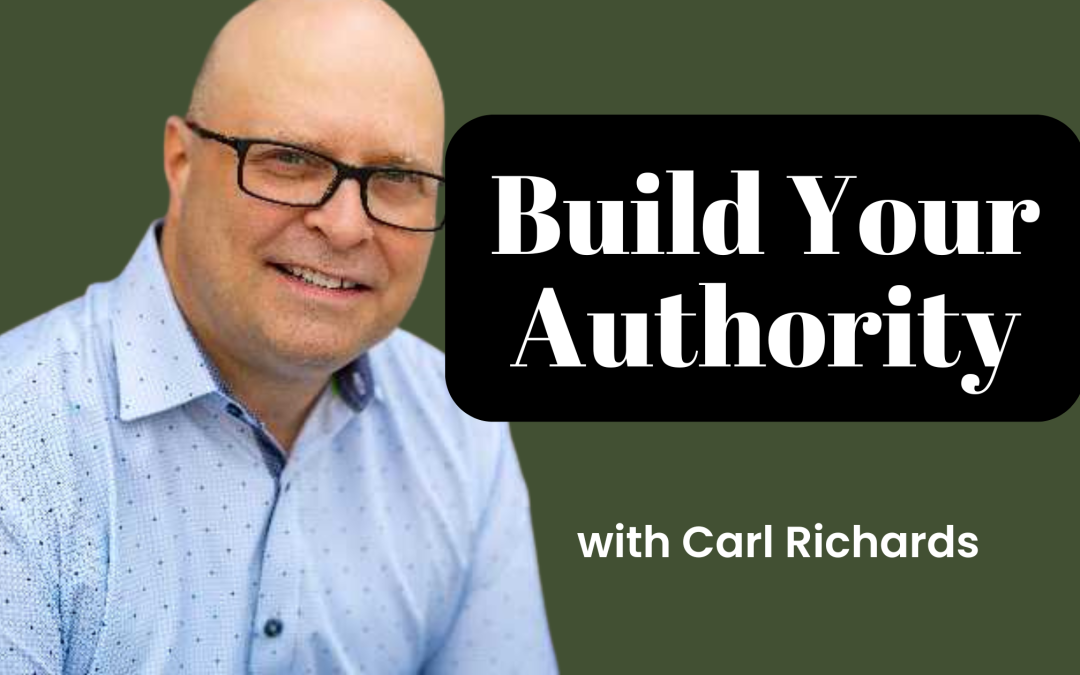
Who is Carl?
Carl Richards has spent more than 25 years behind the microphone, on radio and on stage, entertaining and influencing audiences world wide. He’s a 3x best selling author, TEDx Speaker and emcee, Podcast host and the founder and CEO of Carl Speaks and Podcast Solutions Made Made Simple. Carl helps coaches, consultants and other subject mater experts become the got authority by launching world class podcasts. He lives with his spouse in Gananoque, Ontario Canada, where he enjoys camping and boating in the 1000 Islands.
If you’ve ever felt like you’re doing all the things in your business but still struggling to be seen, you’re not alone. Every solopreneur knows the grind: juggling client work, content creation, admin tasks, selling your offers, and trying to stay visible in a digital world that changes by the minute.
This week on the Soul Podcasting Podcast, I sat down with Carl Richards — TEDx speaker, bestselling author, long-time radio broadcaster, and founder of Podcast Solutions Made Simple. And let me tell you, this man didn’t come to play. He came with clarity. He came with conviction. And he came with a fresh take on what it really means to step into your authority in today’s marketing landscape.
He also came with some truth bombs that every coach, consultant, and creator needs to hear.
This isn’t the old era of marketing. We’re living in something completely different — and podcasting, when done intentionally, is sitting right at the center.
Why Visibility Is Still the #1 Challenge for Solopreneurs
Carl said something early in our conversation that hit me: most solopreneurs aren’t lacking expertise — they’re lacking visibility.
And not because they aren’t doing enough, but because they’re doing too much.
So many entrepreneurs are spinning plates, stretching themselves thin across every platform, hoping something sticks. But as Carl pointed out, algorithms keep shifting. Traditional media no longer guarantees attention. And conventional marketing methods from 20–30 years ago just don’t work anymore.
Today, the question is: How do you rise above the noise and become the go-to authority in your space?
Carl’s answer: podcasting — but not in the sloppy, “just hit record and ramble” way that people often think.
He believes in intentional podcasting: Podcasting that builds community. Podcasting that amplifies your message. Podcasting that positions you as the voice people trust.
Because trust is the new currency.
The Shift: Why Podcasting Works in 2025 and Beyond
We talked a lot about the new era of marketing — and Carl brought the fire.
He explained that years ago, experts built authority through book tours, conferences, and traditional media exposure. Today, our world has changed. People consume content digitally. And more importantly, they’re looking for connection, not just information.
There’s no shortage of information online — we’re drowning in it.
What’s missing? Human connection. Authentic voice. Community.
Podcasting gives your audience something they crave: A familiar voice. A consistent place to learn. A host who feels like a guide, not a gatekeeper.
And when you’re strategic — purposeful — about the content you share, your podcast becomes more than episodes. It becomes a home base.
As Carl said so perfectly:
“People want to feel like they belong. When you create a podcast with intention, you build a community where they know they’re part of something.”
That’s the new era of marketing — belonging.
Why “Done Is Better Than Perfect” Doesn’t Apply Here
Carl wasn’t shy about pushing back on a popular business mantra: “Done is better than perfect.”
He explained why this doesn’t work in podcasting:
If you’re putting your voice out into the world, your audience deserves more than something half-baked. Your podcast is often the first impression someone gets of you — the first time they hear your expertise, tone, energy, and heart.
None of that should be rushed.
Carl compared it to a surgeon: You don’t want a surgeon who does “half” the job just to say it’s done. You want precision. Care. Intention.
Your podcast deserves the same respect.
And the truth is, when you slow down just enough to create strategic episodes instead of random ones, you instantly stand out in a noisy digital world.
The Five Biggest Myths That Stop Solopreneurs From Podcasting
Toward the middle of our conversation, Carl broke down five myths that hold entrepreneurs back from starting a podcast.
Here they are — and they’re spot-on.
1. The Money Myth: “It’s too expensive.”
Carl challenged this beautifully. Instead of asking, How much will a podcast cost? he asks:
What’s the cost of NOT having one?
If your dream clients are listening to podcasts… but you’re not there, the opportunity cost is massive.
2. The Content Myth: “What would I even talk about?”
Most entrepreneurs don’t need more content — they need curation.
You’ve already lived, worked, coached, taught, and learned enough to fill dozens of episodes. The key is breaking it down into digestible pieces so your listeners aren’t overwhelmed.
3. The Competition Myth: “There are too many podcasts already.”
Sure, there are 4–5 million podcasts… but:
A tiny fraction are consistent.
Even fewer are strategic.
Even fewer are hosted by you.
People don’t buy content — they buy connection. And there is exactly one you in the marketplace.
4. The Tech Myth: “It feels too complicated.”
Carl has spent 25+ years in broadcasting. If anyone understands technical overwhelm, it’s him.
And his message was simple: Technology is easier than ever. Equipment is more accessible than ever. Support is everywhere.
Tech is the easiest part of podcasting now — not the barrier.
5. The Authority Myth: “Who am I to do this?”
This one stops more people than anything else.
Carl reminded us that most podcasts aren’t run by celebrities or giant brands. They’re run by normal business owners with a message.
Your voice doesn’t need to be perfect. Your story doesn’t need to be dramatic. You just need to care about helping people.
That’s authority.
The Power of Community in Your Podcast
One of my favorite parts of this conversation was when we dug into the heart of podcasting: creating a sense of community.
Carl talked about how people follow hosts because they feel connected to them — their personality, their values, their mission. That connection naturally leads to deeper engagement, course enrollments, coaching, and community growth.
And yes — that’s intentional.
Great podcasters don’t leave connection to chance. They design it. They invite it.
They create a space that says: “You belong here. Let’s grow together.”
And when listeners feel like they’re part of a community, they don’t drift away. They stay. They share. They engage. They invest.
That’s what every entrepreneur wants. And podcasting is one of the strongest paths toward it.
Final Thoughts: Stepping Into Your Own Authority
If you’re thinking about launching a podcast — or restarting an old one — Carl’s insights are the clarity you’ve been waiting for.
You don’t need perfection. You don’t need celebrity status. You don’t need a huge team.
You need intent, consistency, and a genuine desire to serve.
This episode is going to push you, inspire you, and remind you that your voice matters. You have something to say. And the world is waiting for it.