
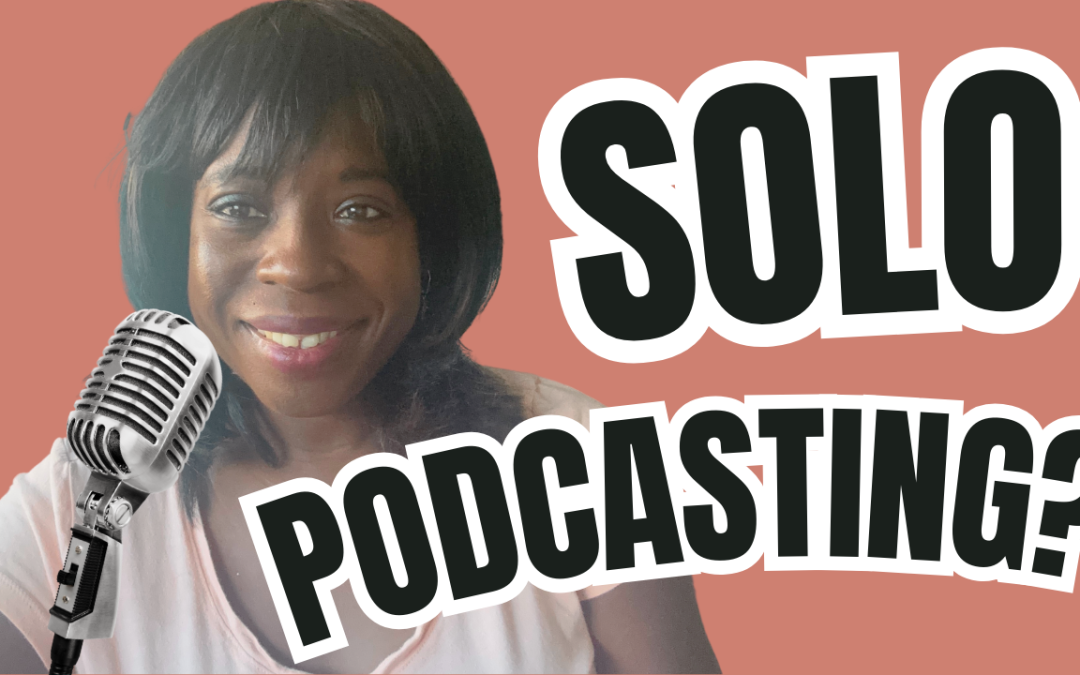
Podcasting is personal. It’s a space where your voice, your story, and your heart meet your audience in a way that’s immediate and intimate. That’s why solo podcasting can be so transformative. When you go solo, you’re not just recording episodes—you’re creating a space where your message lands directly, powerfully, and authentically. You’re not negotiating content, pacing, or energy with a co-host or waiting for guest availability. Instead, every episode is a reflection of you and your mission, delivered in your unique rhythm.
I remember the first time I attempted a solo episode. I was nervous, unsure if anyone would want to hear just me talk for twenty minutes. Would people get bored? Would I sound awkward? But as I hit record, something unexpected happened—I found my flow. I started sharing ideas, stories, and reflections naturally, almost like I was talking to a friend over coffee. And my listeners responded. They didn’t just hear my words—they felt my presence. That’s the magic of solo podcasting: it gives you the opportunity to connect in a deeply personal way, creating trust and intimacy that’s hard to achieve in other formats.
Owning Your Creative Freedom
One of the biggest advantages of solo podcasting is creative freedom. Every aspect of your show—topic choice, pacing, energy, style—is completely in your hands. You’re free to explore ideas, shift formats, and experiment with storytelling without needing anyone’s approval. That kind of freedom is empowering because it lets you show up fully and authentically. Your listeners sense that energy, and it creates a stronger connection than a show that feels forced or overly structured.
For instance, I’ve experimented with episodes that blend storytelling, reflection, and practical tips. One week I might share a personal story about a challenge I overcame in my business, and the next I might walk listeners through a reflective exercise that helps them clarify their own goals. In a solo format, you can pivot freely and respond to your audience’s needs in real time.
Building Trust and Connection
There’s something profoundly intimate about hearing just one voice consistently. When listeners tune into a solo podcast, they feel like the episode is meant for them personally. They’re not trying to follow multiple voices in a conversation—they’re connecting directly with you. This intimacy builds trust, and trust is what turns casual listeners into loyal fans.
Your audience comes to know your personality, humor, and perspective. They anticipate your insights and look forward to the next episode because they feel a genuine connection with you. Over time, that consistent one-on-one connection establishes your credibility and strengthens your authority in your niche. Solo podcasting gives your audience a sense of familiarity and presence that co-hosted or guest-heavy shows rarely achieve.
Flexibility to Experiment
Solo podcasting also allows you to experiment without fear. You can try different formats, content types, and episode lengths. You can test storytelling, guided reflections, Q&A episodes, mini coaching sessions, or even meditative episodes. If something doesn’t land, you tweak it in the next episode. Because you don’t have to coordinate with others, experimentation becomes an exciting part of the creative process rather than a stressful one.
I’ve found that solo episodes often become my most authentic work. There’s something about being fully in charge of the content and flow that allows creativity to flow naturally. The freedom to try, adjust, and refine builds confidence, and that confidence translates to a more engaging experience for your listeners.
Momentum Without Barriers
Scheduling conflicts can drain your energy when you rely on guests or co-hosts. Back-and-forth emails, last-minute cancellations, and juggling multiple calendars can slow production and create stress. Solo podcasting eliminates these barriers. You record when it works for you—early mornings, late nights, or that golden hour when inspiration strikes. This flexibility helps you maintain momentum and keeps your audience engaged.
Consistency is key in podcasting. Listeners know when to expect your episodes, and the more reliably you deliver, the stronger your connection with them becomes. Solo podcasting allows you to maintain that consistency without relying on anyone else, which makes growth feel natural rather than forced.
Growing Into a Thought Leader
A solo podcast gives you the space to showcase your expertise, experience, and perspective. By consistently sharing your ideas and insights, you establish yourself as a thought leader in your niche. While guests can be valuable later, starting solo ensures that your voice is clear, your message is consistent, and your authority is undeniable.
Solo episodes allow you to define your podcast’s identity and set the tone for your brand. They’re your opportunity to speak directly to your audience, share your philosophy, and establish a foundation that supports future collaborations, guest interviews, or partnerships.
Personal Growth Through Solo Podcasting
Recording solo isn’t just about your audience—it’s about your growth as a creator. Each episode challenges you to articulate your ideas, reflect on your experiences, and communicate effectively. Over time, this practice sharpens your storytelling skills, strengthens your clarity, and builds confidence.
I’ve personally noticed how solo podcasting has helped me refine my own voice. Speaking uninterrupted allows me to organize my thoughts and discover insights I wouldn’t have realized in a conversation with others. This self-awareness improves not just the podcast but also how I communicate in business, teaching, and everyday life.
Making Your Podcast Soulful
Solo podcasting works best when it feels intentional and soulful. Your episodes should reflect your values, personality, and purpose. This doesn’t mean scripting every word, but it does mean being mindful of the energy and message you’re sharing. Your audience can sense authenticity—they feel it when you’re fully present and speaking from the heart.
You can also incorporate your own experiences, reflections, and even lessons learned from challenges. This human element makes your podcast relatable and memorable. Listeners don’t just want information; they want connection, guidance, and inspiration. Solo episodes are uniquely positioned to provide all three.
Practical Tips for Solo Podcasting
- Plan, but don’t over-plan: Outline key points for each episode, but leave room for natural flow. Your voice and personality should shine through.
- Keep it conversational: Talk to your listeners like you would a friend. Pause, breathe, and be yourself.
- Record in a quiet space: Even simple audio improvements can make a huge difference in listener experience.
- Review and reflect: Listen to your episodes to notice your pacing, tone, and clarity. Learn from what works and refine what doesn’t.
- Engage with your audience: Encourage feedback, answer questions, and respond to messages. Solo doesn’t mean solo in the relationship-building sense.
A Few Final Thoughts
Solo podcasting isn’t about doing everything alone—it’s about giving your voice the space to shine. It’s about connecting deeply, experimenting fearlessly, and building a platform that reflects your heart and mission. Your episodes become a reflection of you, and when you show up fully, your audience feels seen, heard, and inspired.
If you’ve been holding back, wondering whether you could carry a podcast on your own, take the leap. Your audience is waiting for your message, your energy, and your perspective. Solo podcasting gives you the freedom, intimacy, and creative power to build something meaningful and lasting.
